
Underwood Physio for Shoulder Pain: What’s Causing It and How Physiotherapy Helps
Shoulder pain can start quietly. A small pinch during a lift. Stiffness after a long workday. Discomfort during sleep. Before long, simple movements feel unreliable.
If you’re searching for an Underwood physio for shoulder pain, you likely want clarity. Not just exercises. Not just temporary relief. Real answers and a plan.
At Pursuit Physiotherapy Brisbane, shoulder rehabilitation focuses on movement control, load tolerance, and returning you safely to sport, work, or everyday activity across Underwood QLD and surrounding Brisbane suburbs.
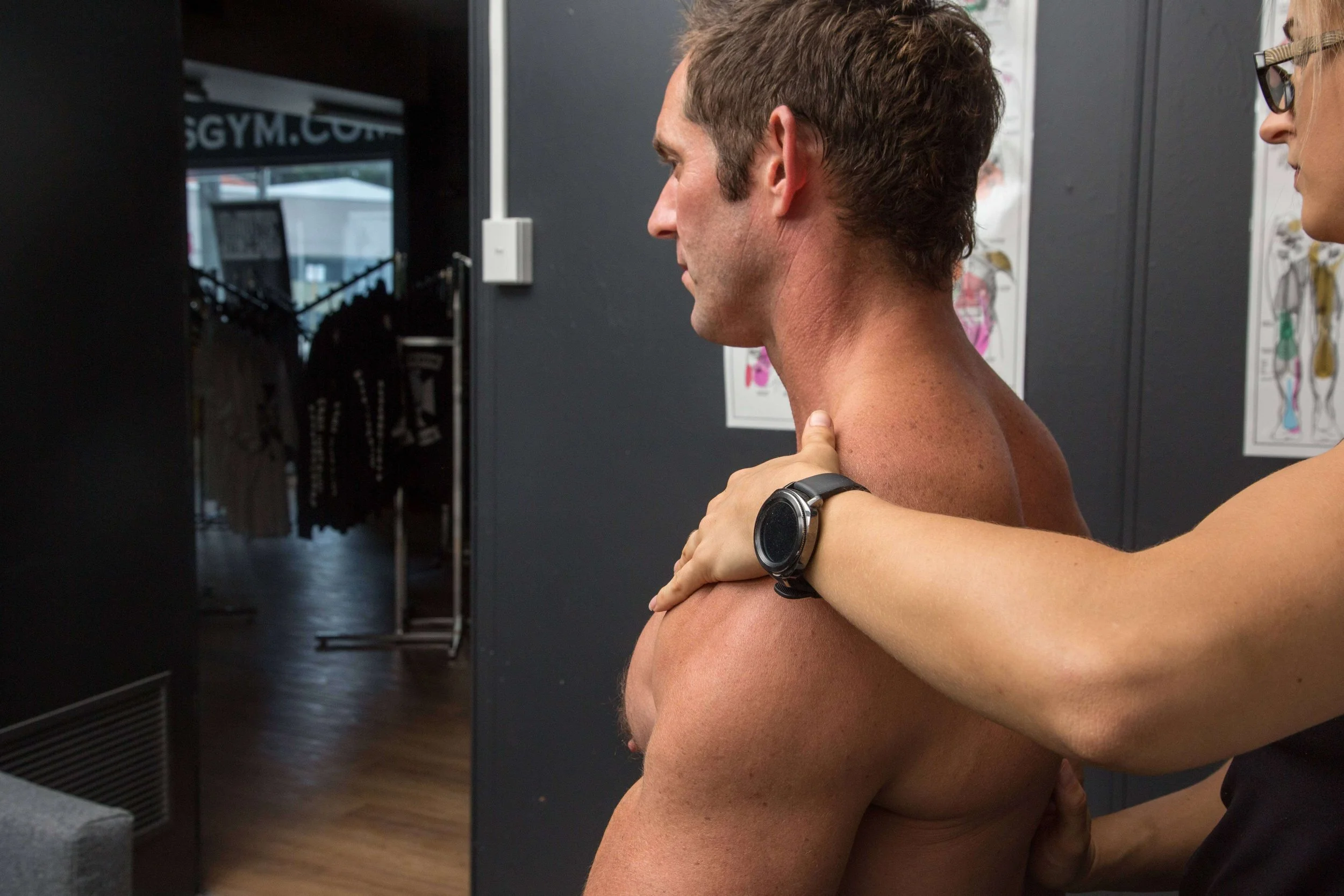
Why Shoulder Pain Is So Common
The shoulder trades stability for mobility, which makes it vulnerable.
The shoulder joint allows overhead reach, rotation, pushing, pulling, and lifting. That freedom comes with reduced structural stability. Muscles and tendons do most of the work.
Common causes seen by a physiotherapist in Underwood include:
Rotator cuff overload or tendinopathy
Shoulder impingement symptoms
Labral irritation
AC joint irritation
Postural and desk-related strain
Lifting injuries at work
Sporting collisions or repetitive overhead loading
Not all shoulder pain is the same. That is why proper assessment matters.
When Should You See an Underwood Physio?
If pain affects strength, sleep, or daily function, it is time.
Early physiotherapy often prevents longer recovery times. You should consider booking if you notice:
Pain lifting overhead
Weakness when carrying or pushing
Night pain that interrupts sleep
Clicking or instability
Pain persisting beyond one to two weeks
Many patients initially search for a physio Brisbane provider but benefit from local care in Underwood for consistent follow-up and progress tracking.
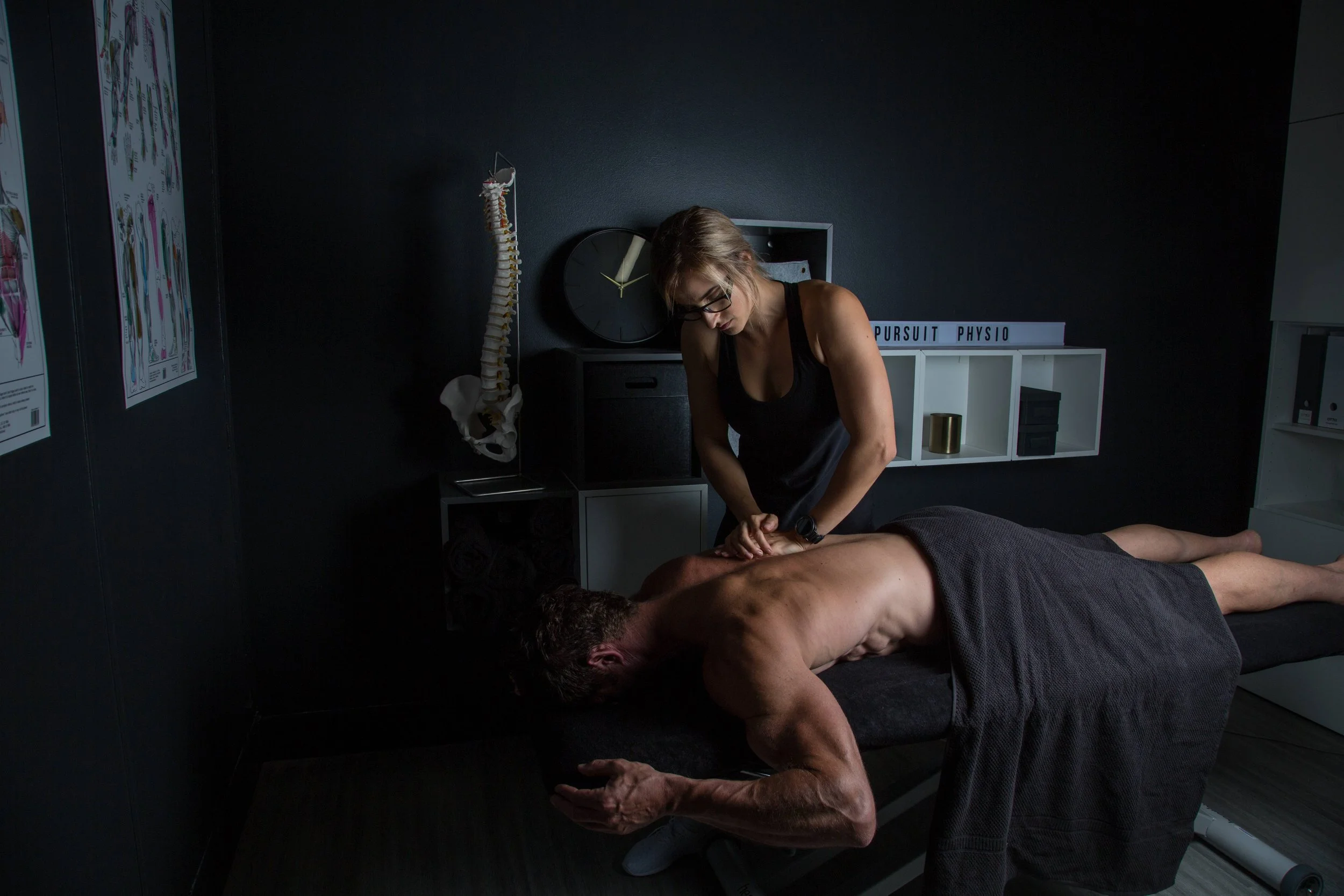
What Happens at Your Shoulder Assessment?
Assessment determines whether it is load-related, structural, or movement-driven.
Your physiotherapist will:
Take a detailed history of how symptoms started
Assess shoulder range of motion
Test strength and control
Evaluate neck and upper back contribution
Identify aggravating loads
For injured workers under WorkCover, job demands are assessed. For athletes, training volume and technique are reviewed. For NDIS participants and veterans, functional tasks and long-term goals guide the evaluation.
The aim is not just to label the injury, but to understand what is driving it.
Sports Physiotherapy for Shoulder Injuries
Rehabilitation must match sporting demands.
Shoulder injuries are common in:
Gym-based training
Swimming
CrossFit and overhead lifting
Contact sport
Racquet sports
Sports physiotherapy focuses on:
Progressive strengthening of the rotator cuff
Scapular control and stability
Load management
Return-to-play benchmarks
This is where structured sports physiotherapy prevents repeat injury rather than simply settling inflammation.
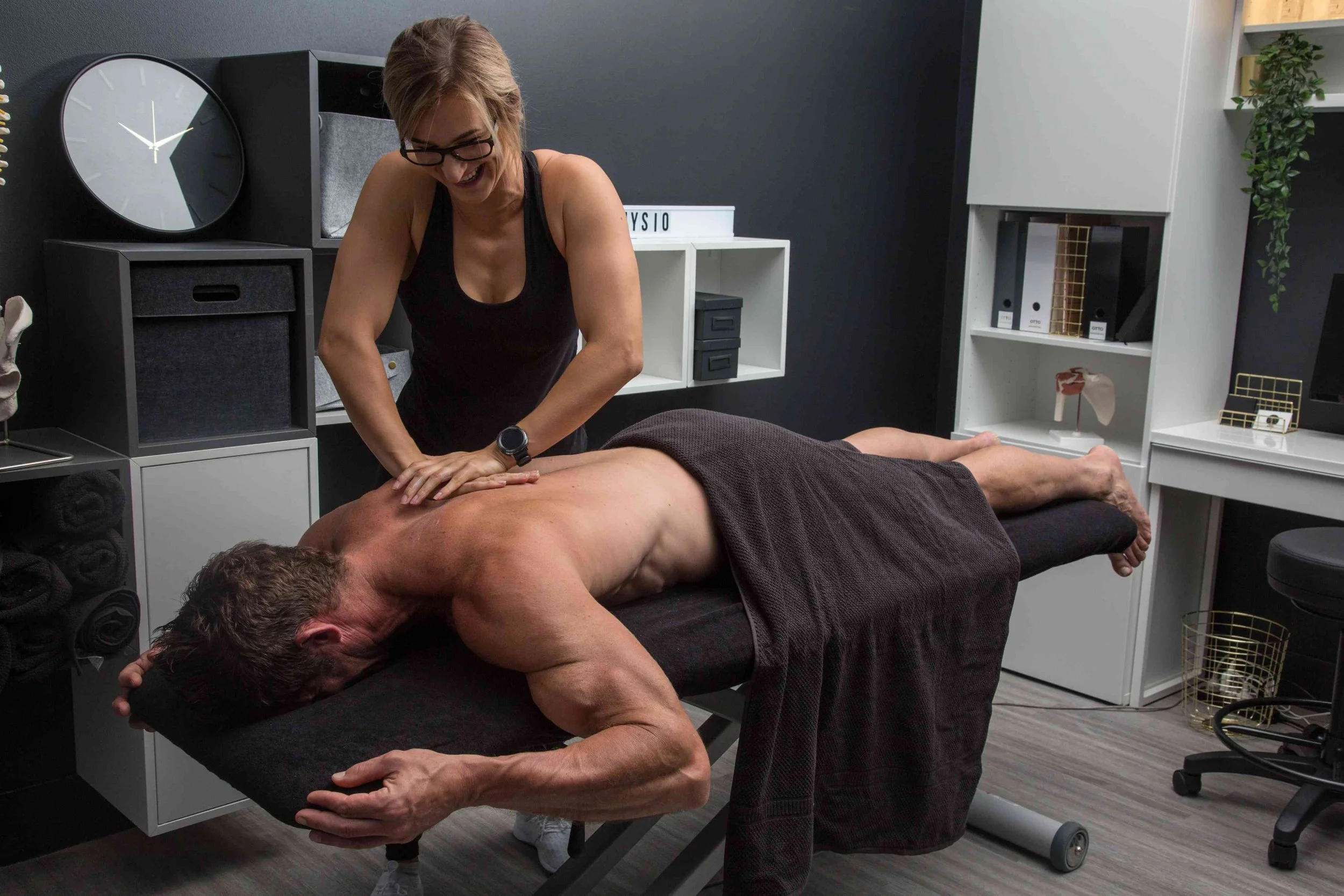
Shoulder Pain at Work: WorkCover Physiotherapy in Underwood
Workplace shoulder injuries require function-based rehab.
Manual handling, repetitive lifting, and overhead tasks are common causes of workplace shoulder pain.
Under WorkCover Queensland, physiotherapy focuses on:
Restoring strength for job-specific tasks
Gradual return-to-work planning
Communication with insurers and employers
Clear documentation of progress
An Underwood physio experienced with WorkCover understands that recovery must align with work demands, not just symptom reduction.
NDIS Physiotherapy for Shoulder Function
For NDIS participants, the goal is functional independence.
Shoulder pain can limit dressing, transfers, reaching, and mobility aid use.
NDIS physiotherapy may include:
Targeted strength training
Pain management strategies
Functional movement practice
Progress reporting for plan reviews
Care is tailored to individual goals and support structures.
DVA Physiotherapy for Veterans
Chronic shoulder pain requires structured long-term management.
Veterans often present with long-standing joint degeneration, tendon issues, or service-related injuries.
DVA-supported physiotherapy focuses on:
Strength maintenance
Pain control strategies
Mobility preservation
Falls risk reduction where relevant
Treatment aligns with Department of Veterans’ Affairs referral pathways and care standards.
How Long Does Shoulder Rehab Take?
Recovery depends on load tolerance, not just time.
General expectations:
Mild overload injuries: 4 to 6 weeks
Tendinopathy: 6 to 12 weeks
Post-dislocation rehab: often 12 weeks or more
Post-surgical rehab: structured phases over several months
Your physiotherapist should outline clear milestones so you understand what progress looks like.
Why Local Underwood Physio Matters
Consistency drives results. Shoulder rehab requires progressive loading and regular review.
Choosing a local Underwood physio means:
Easier follow-up appointments
Better tracking of strength progression
Clearer communication around work or sport demands
Stronger therapeutic relationship
While many search broadly for a physiotherapist in Brisbane, local continuity often improves outcomes.
Frequently Asked Questions
Do I need a referral to see an underwood physio?
No referral is required for private physiotherapy. WorkCover, NDIS, and DVA services may require appropriate approvals.
Can shoulder pain improve without surgery?
Yes. Most shoulder conditions respond well to structured physiotherapy and progressive strengthening.
Is sports physiotherapy different from general physiotherapy?
Sports physiotherapy places greater emphasis on load tolerance, return-to-play testing, and performance demands.
Does WorkCover cover shoulder physiotherapy?
Yes, once a claim is approved, physiotherapy is typically covered under WorkCover Queensland.
Looking for an Underwood Physio for Shoulder Pain?
If shoulder pain is limiting your sport, work, or daily life, structured rehabilitation makes the difference.