
Respiratory Physiotherapy: When Should You Actually See a Respiratory Physio?
Most people don’t think about breathing until it starts to feel… off.
Not dramatic. Just different. You’re getting puffed quicker. There’s a cough that won’t go away. Your chest feels heavy, especially in the mornings. Or you keep getting hit with the same chest infection over and over.
That’s usually when people start searching for respiratory physiotherapy or a respiratory physio in Brisbane who can tell them what’s actually going on.
Here’s the honest answer: if your breathing is affecting your day in any noticeable way, it’s worth getting checked.
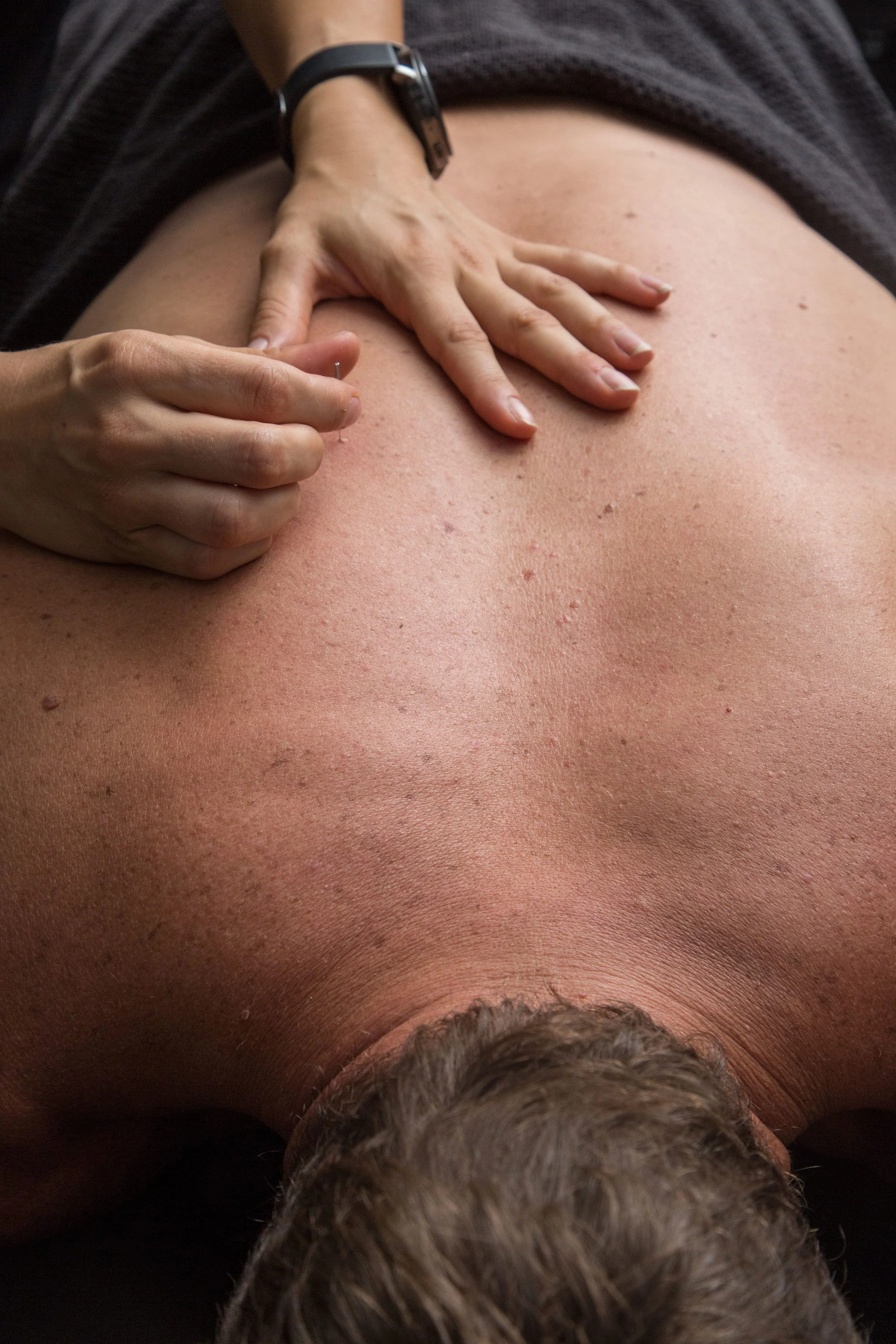
The biggest red flag most people ignore
It’s not pain. It’s mucus.
If you’re constantly clearing your throat, coughing stuff up, or feeling like there’s something sitting in your chest that won’t shift, that’s a sign your lungs aren’t clearing properly.
This is where a respiratory physiotherapist comes in.
One of the main things we do is teach airway clearance techniques. Sounds technical, but it’s simple in practice. It’s about helping your body move mucus out of the lungs so you can actually clear it, instead of it just sitting there causing problems.
When mucus hangs around, infections tend to follow. That cycle can go on for years if no one steps in and breaks it.
Conditions where physio isn’t optional
Some people don’t just “benefit” from respiratory physio. They need it as part of ongoing care.
Bronchiectasis
With bronchiectasis, mucus builds up more easily and doesn’t clear well on its own. That’s why people often deal with repeated chest infections.
Physio focuses on daily airway clearance. Not occasionally. Not when it flares up. Consistently.
Once people learn how to manage it properly, things usually settle down a lot.
Cystic Fibrosis
For people with cystic fibrosis, airway clearance is part of life.
Respiratory physiotherapy helps keep the lungs as clear as possible, maintain breathing capacity, and reduce complications over time. It’s structured, routine-based, and adjusted as needed.
No shortcuts here. Just consistency.
Neurological conditions like cerebral palsy or motor neuron disease
This is where things shift a bit.
It’s not just about the lungs. It’s about muscle control, posture, and the ability to take a full breath or cough effectively.
For people with cerebral palsy or motor neuron disease, respiratory physio often involves:
Helping clear the airways when coughing is difficult
Positioning to make breathing easier
Reducing the risk of chest infections
You’ll see this a lot in NDIS-supported care, where breathing ties directly into daily function and quality of life.
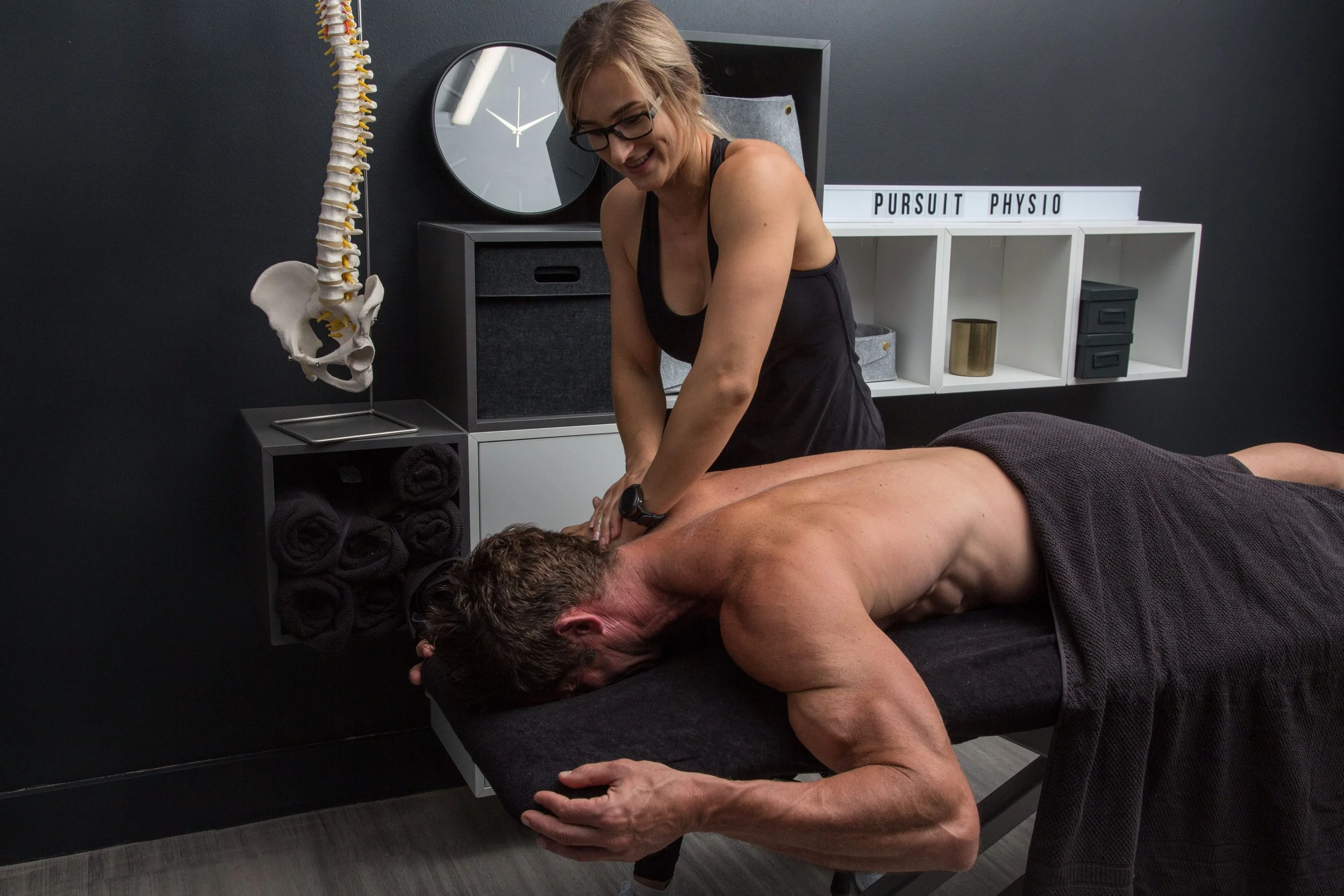
The “I’m just unfit” trap
A lot of people brush things off as fitness.
They say:
“I’m just out of shape”
“I haven’t trained in a while”
“I’ll get back into it”
Sometimes that’s true. Sometimes it’s not.
If you’re getting unusually short of breath doing things that should be manageable, it’s worth looking at how you’re actually breathing.
Poor breathing patterns, tight chest mechanics, and shallow breathing are common. Especially for office workers or anyone sitting most of the day.
A few sessions with a respiratory physio in Brisbane can make a noticeable difference here.
Coming back from illness? This is where people rush it
You feel better, so you go straight back to normal.
Training. Work. Long days.
Then it hits you. Fatigue. Breathlessness. You can’t keep up like you used to.
That’s not you being weak. That’s your system not being ready yet.
Respiratory physiotherapy helps rebuild:
Breathing efficiency
Lung capacity
Endurance
This matters for athletes, but also for injured workers trying to return under WorkCover, or anyone who just wants to feel normal again.
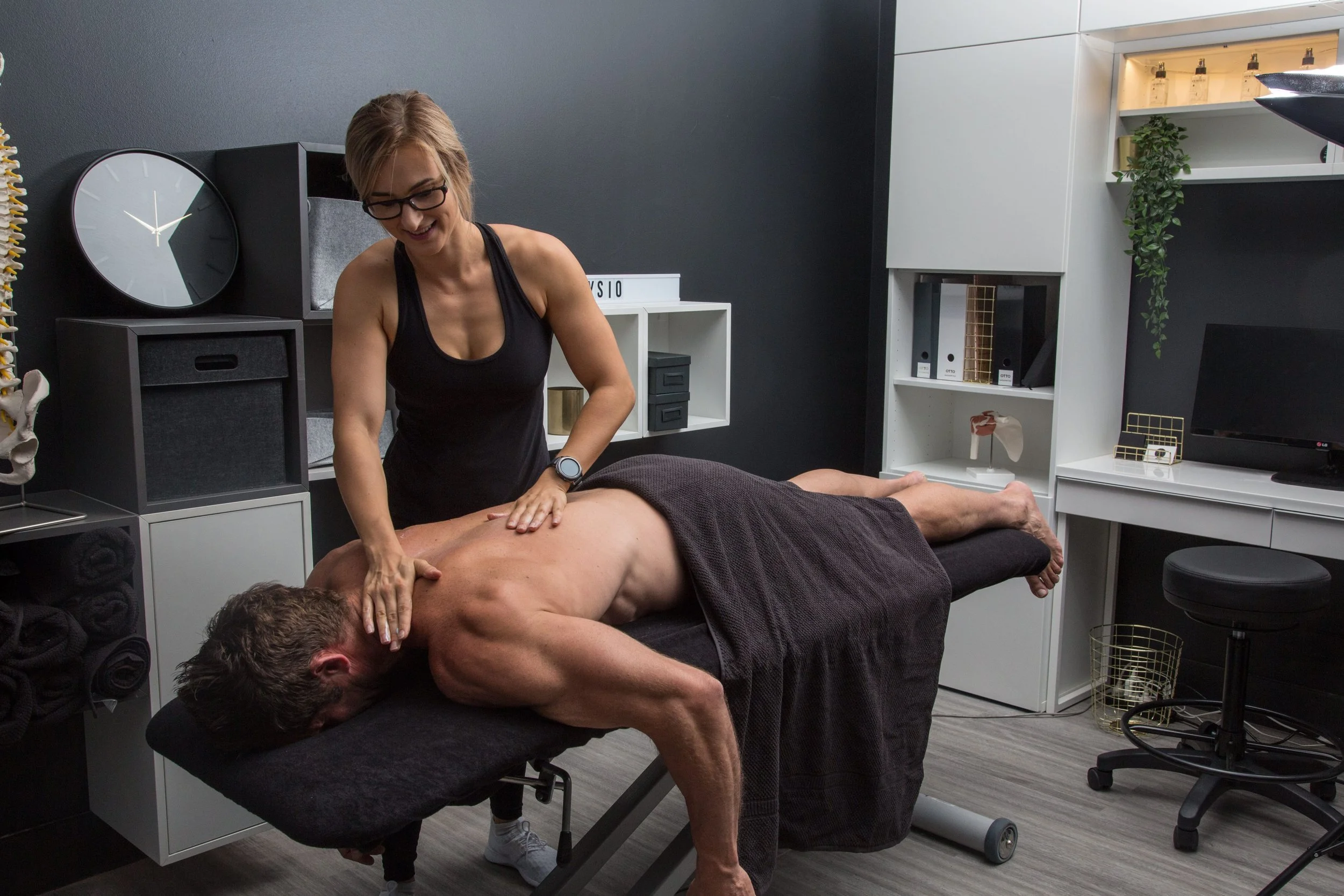
What actually happens in a session?
It’s not lying on a table while someone taps your chest.
A session at Pursuit Physiotherapy Brisbane is pretty hands-on and practical.
You’ll usually go through:
How you’re currently breathing
What’s contributing to your symptoms
Techniques to clear your airways properly
Exercises to improve breathing control and capacity
And you’ll be expected to actually use it outside the clinic. That’s where the real change happens.
Where this fits with other physio services
Respiratory physio doesn’t sit in a box on its own.
It often overlaps with:
Sports physiotherapy, especially when athletes are returning after illness
NDIS physiotherapy, where breathing affects function
WorkCover rehab, when endurance impacts return to work
DVA care, for long-term respiratory or physical conditions
Different pathways. Same goal. Get your body working properly again.
Why people look for a physio in Springwood
Simple reason. Convenience.
If you need to come in regularly, location matters. A nearby physio Springwood option makes it easier to stay consistent, and consistency is what actually drives results with respiratory physio.
So… should you see someone?
If any of this sounds familiar:
You’re constantly clearing your chest
You’ve had repeat chest infections
Breathing feels harder than it should
Recovery after illness feels slow
That’s enough of a reason.
You don’t need to wait for it to get worse.
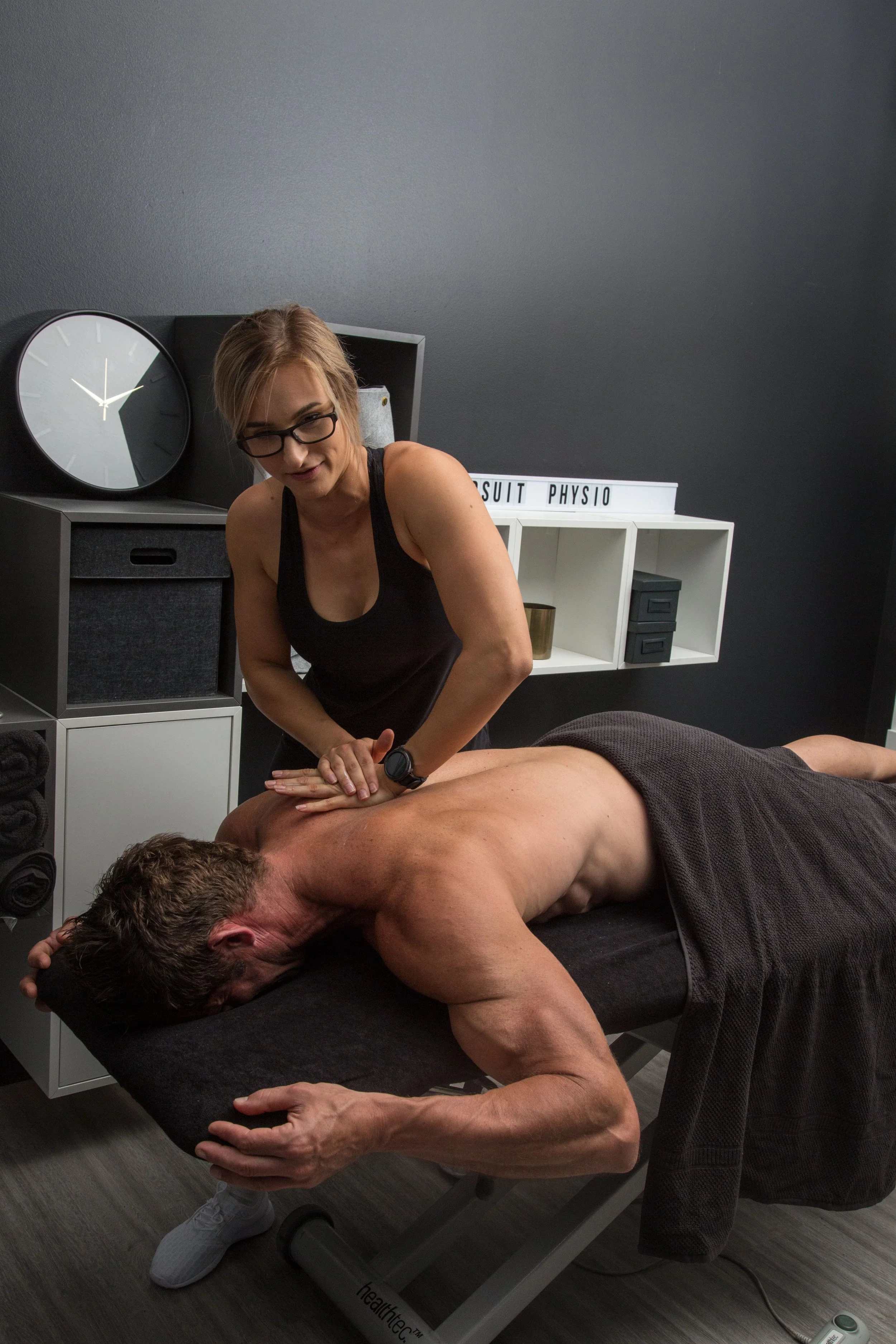
Final thought
Breathing is one of those things people ignore until it starts affecting everything else.
When it does, guessing rarely works.
Pursuit Physiotherapy Brisbane works with people across Brisbane and Springwood to improve breathing, clear airways, and get them back to normal activity without that constant drag on their system.
No overcomplication. Just practical, effective care that makes breathing feel easy again.