
Airway Clearance Techniques in Springwood: Why ACBT and PEP Actually Work Better Together
Airway clearance techniques in Springwood usually come into the picture when mucus stops behaving itself. It might be bronchiectasis, cystic fibrosis, MND, cerebral palsy, or even long-term chest congestion after repeated infections. The common thread is the same: mucus isn’t moving the way it should.
And when it sits there, things slowly spiral. Breathing feels heavier. Coughing becomes more frequent. Chest infections start showing up more often.
That’s really the problem these techniques are trying to solve.
When mucus hangs around:
It thickens
It gets harder to shift
It becomes a breeding ground for bacteria
Chest infections become more likely
This is where respiratory physiotherapy steps in. A respiratory physiotherapist isn’t just handing out a list of exercises. They’re watching how your chest actually moves, how effective your cough is, and what’s realistically going to work in your day-to-day life. In physiotherapy Springwood clinics, a big part of the job is simply making things more workable, not more complicated.
Two of the main tools that usually come up are ACBT (Active Cycle of Breathing Technique) and PEP devices. Most people are shown them separately. In reality, they tend to work better when they’re used together.
ACBT: simple in theory, a bit more nuanced in practice
ACBT (Active Cycle of Breathing Technique) is one of those things that looks easy when it’s demonstrated, but takes a bit of getting used to.
It’s made up of three parts:
Relaxed breathing
This is the “reset” phase. Nothing fancy. Just settling the breath and trying to stop everything from tightening up. People often rush past this because it feels too simple, but skipping it usually makes the rest of the cycle less effective.Deep breathing
A few controlled deeper breaths to get air behind the mucus. Not big, gasping breaths. More like slow expansion, giving the lungs a bit of space to open up areas that feel sticky.Huffing
This is the part that actually moves mucus. It’s like a forced exhale with an open throat, almost like fogging up a mirror. Done right, it shifts mucus without needing a hard cough.
Where it usually falls apart is speed. People tend to rush it, especially the huffing. Or they push too hard, thinking effort equals results. In practice, that often just tires you out without clearing much.
In conditions like MND or cerebral palsy, pacing matters even more because coordination and breath control can already be a challenge.
PEP devices: when breathing alone isn’t enough
PEP devices (Positive Expiratory Pressure devices) are a bit more mechanical.
You breathe out through them, and they add resistance. That resistance changes what’s happening inside the lungs.
What that does in real terms:
Keeps airways open a bit longer on the exhale
Helps air get behind mucus instead of just going around it
Makes sticky mucus a bit easier to shift
For people with bronchiectasis or cystic fibrosis, where mucus tends to be thicker and more persistent, this can make a noticeable difference.
Some people describe it as feeling like the breath has something to “push against.” It’s not dramatic, but it changes how effective each breath feels when combined with airway clearance work.
Why ACBT and PEP work better together than alone
On their own, both have value. But they solve slightly different problems.
ACBT helps move and mobilise mucus
PEP helps keep the airways open while that’s happening
Put together, it tends to feel less like “forcing mucus out” and more like it actually starts shifting with less effort.
In respiratory physiotherapy, this combination is often used because it covers both sides of the process. One prepares things. The other helps clear it.
Where percussion and vibrations come in
Some people will also come across percussions and vibrations, usually guided by a respiratory physiotherapist.
These are hands-on techniques:
Percussion helps loosen mucus from the airway walls
Vibrations help move it towards larger airways where it can be cleared
They’re not something everyone uses daily. More often, they’re added when mucus is particularly stubborn or when ACBT and PEP alone aren’t quite enough.
It’s not really about doing more
One thing that becomes obvious quite quickly in clinic is that effort doesn’t always equal results.
People often try to:
Breathe faster
Cough harder
Push through more repetitions
But airway clearance doesn’t really respond to force the way people expect it to.
A respiratory physiotherapist in Springwood will usually spend more time slowing things down than speeding them up. Fixing timing. Fixing rhythm. Getting people to relax into the process instead of forcing it.
That’s often where the improvement comes from.
Why results can feel inconsistent
Even when someone is trying their best, a few small habits can throw things off:
Only doing airway clearance when symptoms flare up
Skipping the relaxed breathing phase
Rushing through ACBT cycles
Using PEP without steady control
None of these feel like major mistakes, but they change how well mucus actually moves.
Why this matters day to day
Airway clearance techniques in Springwood aren’t about fixing the condition completely. That’s not realistic for things like bronchiectasis, cystic fibrosis, MND, or cerebral palsy.
What they do is make things more predictable.
When ACBT and PEP are used properly together, people often notice:
Less constant chest congestion
Fewer infections over time
Easier clearance when mucus builds up
Breathing that doesn’t feel as heavy all the time
It’s less about perfection and more about control.
When it’s worth getting someone to look at your technique
If things feel like they’re not really improving, it’s usually not because you’re doing nothing. It’s because something small in the technique is off.
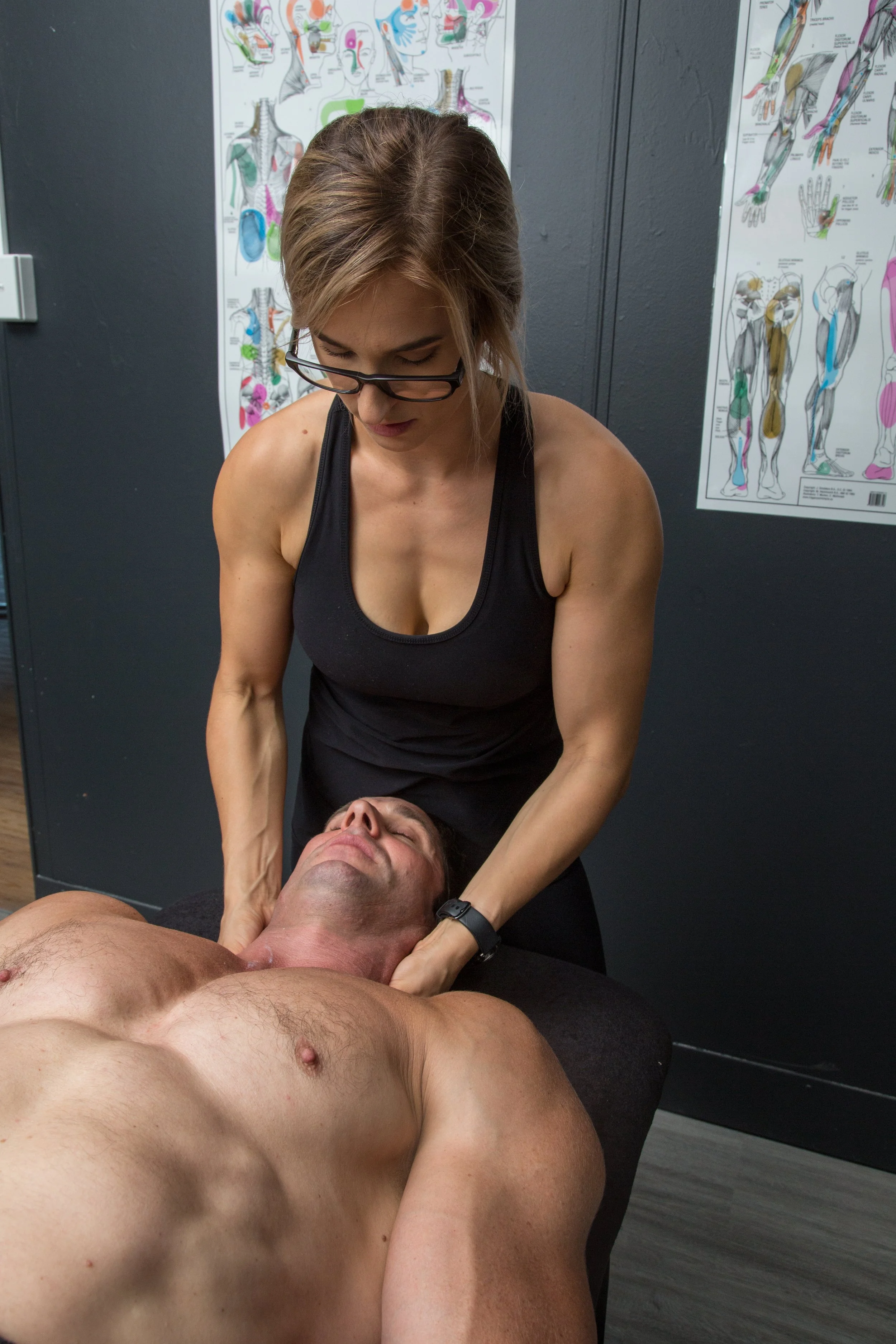
A respiratory physiotherapist can help with:
Adjusting ACBT timing so it flows better
Making sure PEP is being used effectively
Adding or removing extra techniques like percussion
Building something that actually fits into real life
Most of the time, it’s not a full restart. It’s just fine-tuning what’s already there.
Thinking about your next step?
If chest congestion or repeated infections are becoming part of your normal routine, it might be worth getting your airway clearance reviewed instead of just pushing through it.
You can book a session with Pursuit Physiotherapy in Springwood to go through your current airway clearance techniques, including ACBT and PEP use. A respiratory physiotherapist can help adjust the details so the routine actually works with your lungs, not against them.