
Rewiring Chronic Tension: Why the Neubie Glove in Springwood Is Changing How We Approach Tight Muscles
You’ve probably had this happen before.
A tight shoulder. A stubborn hip. A neck that feels like it’s always carrying tension.
You stretch it. You get a massage. Maybe you use a foam roller or massage gun.
For a while, it feels better.
Then the same area tightens up again.
That’s the frustrating part. A lot of people assume the muscle just needs to be “released”, but often there’s more going on underneath.
Sometimes the muscle isn’t tight because it’s damaged. It’s tight because your nervous system has learned to keep it working.
Your body is basically saying, “Keep this area switched on. We need it.”
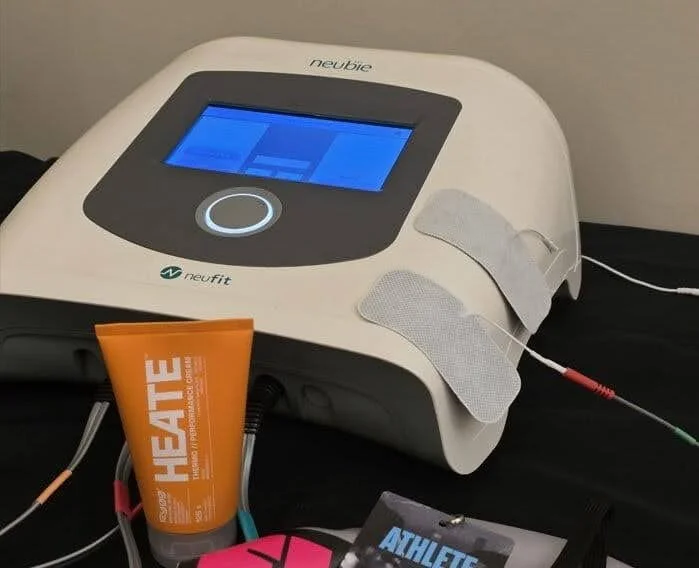
That’s where approaches like the Neubie Glove in Springwood come into the conversation. It combines hands-on treatment with gentle electrical stimulation to help improve how your muscles respond, rather than only chasing the feeling of tightness.
The problem with only treating the tight spot
Let’s say your upper trap is constantly tight.
The easy answer is:
“Your trap is tight. Let’s loosen your trap.”
Makes sense.
But why did that muscle become overloaded in the first place?
Maybe your shoulder isn’t moving well.
Maybe another muscle isn’t doing enough work.
Maybe your body has been protecting an old injury.
Maybe your training load increased too quickly.
This is where a lot of people get stuck. They keep treating the same area without asking why it keeps coming back.
A tight muscle is often the symptom, not the whole problem.
What exactly is the Neubie Glove?
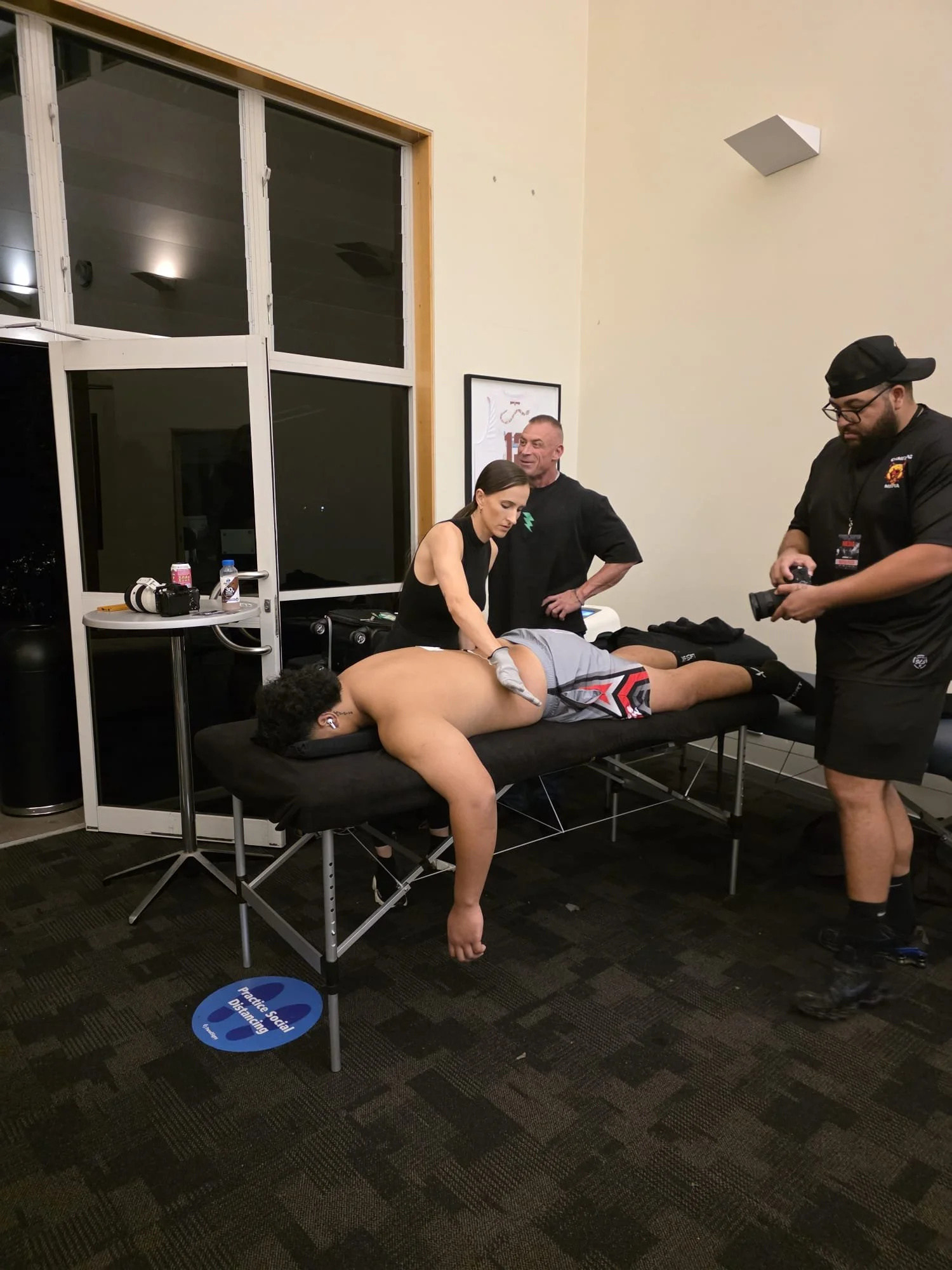
The Neubie Glove is a form of electrical stimulation combined with manual therapy.
The main difference compared with standard electrical stimulation is that the clinician uses a conductive glove instead of placing pads on the skin.
That means they can work directly through their hand while applying the stimulation.
In a session, it can involve:
Feeling how the tissue responds
Working through areas of increased tension
Using movement to test changes
Helping the nervous system recognise a different response
This is why it falls under hands-on neuromuscular therapy.
It’s not just a machine doing something to you while you lie there.
The clinician is actively assessing and adjusting throughout the session.
Why some areas “light up” more than others
One thing people notice quickly is that different parts of the body respond differently.
You might have one area that barely reacts.
Then another spot feels much more intense.
People often describe these areas as the spots that “light up”.
Those areas may simply be more sensitive or more reactive.
It can give the clinician clues about where your body is holding extra tension or where muscles may be overworking.
It doesn’t mean that spot is broken.
It means your nervous system is paying attention to it.
That information can then guide the treatment.
Neubie Glove vs a standard massage: what’s the difference?
A massage can be useful.
There’s nothing wrong with wanting relief from tight muscles. Sometimes you just need your body to calm down.
The difference is the approach.
Massage is often focused on relaxing the tissue.
The Neubie Glove approach is more about changing how the nervous system communicates with that tissue.
Think of it like this:
A massage may help turn the volume down.
Neuromuscular work aims to understand why the volume was turned up in the first place.
Neither one is the answer for every person. The right option depends on what’s actually causing the issue.
Releasing guarded muscles is not the same as forcing them to relax
This is something we see often.
Someone has a sore shoulder, so they aggressively stretch it every day.
Someone has a tight hip, so they keep smashing it with a roller.
Sometimes that helps.
Sometimes it just annoys the area more.
When a muscle is guarding, it is usually doing it for a reason.
The goal isn’t to force the muscle to switch off.
The goal is to show your body that it doesn’t need to stay in that protective state.
That’s where bio-electric tissue work can be useful as part of a bigger rehab approach.
Where active trigger point therapy fits in
Trigger points are those sensitive areas in muscles that feel like a knot or a stubborn tight spot.
But the mistake is thinking every painful spot needs to be attacked.
A good active trigger point therapy approach looks at the reason behind it.
Questions like:
Why is this muscle overloaded?
What movement is causing it to keep working?
Is another area not contributing properly?
What needs to change so it stays better?
The treatment is only one part.
What you do afterwards matters just as much.
It’s not about chasing flexibility
A lot of people think they have a flexibility problem.
Sometimes they do.
But plenty of people can stretch perfectly well and still have the same pain or tension.
Why?
Because movement is not just about how far a joint can go.
It’s about how well your body controls that movement.
This is where clinical movement restoration becomes important.
The goal is not:
“Make everything loose.”
The goal is:
“Help your body move properly without needing to create unnecessary tension.”
Who may benefit from Neubie Glove treatment?
The Neubie Glove in Springwood may be considered for people dealing with:
Muscles that constantly tighten up
Recurring training-related tension
Areas that feel stuck after injury
Difficulty activating certain muscles
Movement restrictions that don’t seem to improve
It can also work well alongside gym rehabilitation.
For example, someone recovering from an injury may need more than strengthening alone. They may need to improve how their nervous system controls certain movements before loading the body again.
The bigger picture: your nervous system controls the whole system
Your muscles don’t work independently.
Every movement involves your brain, nerves, joints, and muscles working together.
If one part changes, the rest often adapts.
That’s why the same treatment doesn’t work for everyone.
Two people can both complain about “tight shoulders” but have completely different reasons behind it.
One may need mobility work.
Another may need strength.
Another may need help changing an overprotective movement pattern.
Assessment matters.
Want to understand why your tension keeps returning?
If you’re constantly stretching, massaging, or treating the same area but the problem keeps coming back, it may be worth looking at what’s driving the tension.
At Pursuit Physiotherapy, we work with people across Springwood, Underwood, and Brisbane Southside using hands-on treatment, movement assessment, and rehabilitation strategies to improve how the body moves.
If you’re curious whether the Neubie Glove in Springwood could be suitable for your goals, book an assessment with our team. We’ll look at your movement, understand what’s contributing to the problem, and help build a plan that makes sense for your body.