
Bulk-Billed Exercise Physiology in Springwood: What Medicare Covers and Who Can Access It
If your GP has suggested seeing an exercise physiologist, there's a good chance your next question will be about the cost.
“Is this covered by Medicare?”
“Do I need a referral?”
“And does bulk billed actually mean I don't have to pay anything?”
These are reasonable questions. Medicare's allied health system isn't particularly easy to understand from the patient's side, especially when there are different rules for chronic conditions, diabetes, DVA and WorkCover.
If you're looking for bulk-billed exercise physiology in Springwood, here's what you need to know before making an appointment.
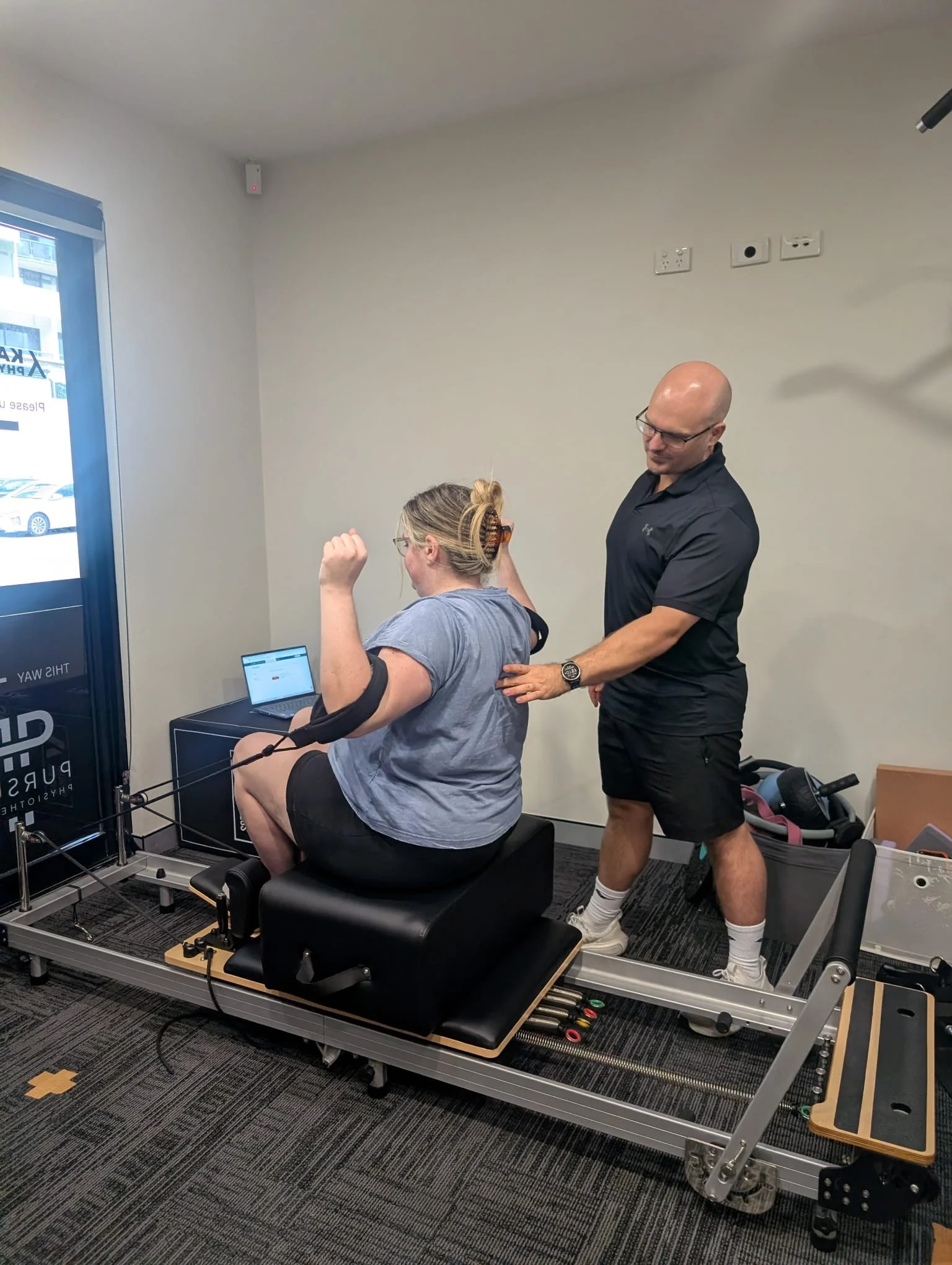
What does an exercise physiologist do?
An Accredited Exercise Physiologist, or AEP, works with exercise in a clinical setting.
That can sound similar to personal training, but the reason you're there is usually quite different.
You might have arthritis that's making your knees painful. You could be dealing with ongoing back pain and have become less active because movement has started to feel uncomfortable. Perhaps you've lost strength after a period of illness, or you're trying to improve your physical capacity while managing diabetes or heart disease.
The exercise needs to take those things into account.
An exercise physiologist isn't simply looking at how many kilos you can lift or how fast you can run. The assessment considers your health, symptoms, current capacity and what you actually need to be able to do.
Sometimes the goal is as simple as being able to walk around the shops without having to stop every few minutes.
That's still rehabilitation.
How does Medicare cover exercise physiology?
There are a few different pathways, but one of the more common ones for people with chronic conditions is through a GP Chronic Condition Management Plan (GPCCMP).
The name has changed over time, so you may also hear people refer to the older “GP Management Plan” or “Team Care Arrangement”.
The basic idea is that your GP identifies a chronic or complex health condition that requires ongoing management. A chronic condition generally means something that has lasted, or is expected to last, six months or longer.
If allied health treatment is appropriate, your GP can refer you to an eligible provider.
That may include an exercise physiologist.
It's not automatic, though. Having a Medicare card doesn't mean every exercise physiology appointment is Medicare funded.
Your GP needs to determine that you meet the requirements for the relevant pathway.
There's a limit on the number of individual sessions
This catches people out fairly often.
Under the GP Chronic Condition Management pathway, Medicare provides benefits for up to five individual allied health services per calendar year.
Those five services are shared.
For example, you might be referred to both a physiotherapist and an exercise physiologist. You don't receive five appointments with each provider. The five eligible services are allocated across the allied health services you access under the program.
How they're divided depends on your needs and your GP's referral.
So if you've already used some of your Medicare allied health services during the year, it's worth checking how many you have remaining.
What does “bulk billed” actually mean?
This is where the terminology gets a little messy.
A Medicare rebate and bulk billing aren't the same thing.
With a Medicare rebate, Medicare pays a benefit towards an eligible appointment. Depending on the provider's fee, you may still have an amount left to pay.
With bulk billing, the provider accepts the Medicare benefit as payment for the eligible service.
So, in simple terms, bulk billing generally means there is no gap for that particular appointment.
But the provider has to offer bulk billing.
That's why someone can have a valid Medicare referral and still be told that a gap fee applies.
If you're trying to find a bulk-billed exercise physiologist, don't be afraid to ask the question before booking:
“Will this appointment be bulk billed under my GP Chronic Condition Management Plan?”
It's much easier to sort that out over the phone than after you've had the appointment.
Who qualifies for bulk-billed exercise physiology?
There isn't one condition that automatically makes you eligible.
Your GP will look at your health situation and decide whether you meet the requirements for a GP Chronic Condition Management Plan.
The condition generally needs to be chronic or complex and require ongoing care.
Exercise physiology may then be included where it is clinically appropriate.
This can apply to people managing conditions such as:
Osteoarthritis and other persistent joint problems
Chronic back pain
Type 2 diabetes
Cardiovascular disease
Neurological conditions
Reduced mobility
Loss of physical capacity following illness
The important part is the individual assessment.
Two people with the same diagnosis may have completely different needs.
Exercise physiology isn't just for people who want to get fitter
This is another common misconception.
Clinical exercise physiology can be useful when your health is getting in the way of normal physical activity.
Take someone with knee osteoarthritis.
They may have stopped walking because their knee hurts. Over time, they become weaker and less active, which makes everyday movement harder.
The answer isn't necessarily “exercise more”.
The starting point might be a carefully selected strengthening program that gradually gets the knee used to loading again.
The same principle applies to chronic back pain, diabetes, cardiovascular conditions and neurological rehabilitation.
The exercise needs to match the person.
What happens at the first appointment?
There's usually more talking and assessing than people expect.
The exercise physiologist will want to understand your health history and what you've been struggling with. They may assess things such as strength, balance, mobility and exercise tolerance, depending on your condition.
Your goals matter too.
There's a big difference between saying you want to “improve fitness” and saying you want to walk your dog again, get up from the floor without help, or manage a full day at work without your back becoming painful.
Those details help shape the program.
You may do some exercises during the first appointment, but the purpose isn't to exhaust you.
It's to establish where you should start.
What about Medicare exercise physiology for Type 2 diabetes?
Type 2 diabetes has another Medicare pathway that some people may be eligible for.
Under the relevant program, eligible patients can receive group exercise sessions with an eligible exercise professional.
These are separate from the five individual allied health services available through the GP Chronic Condition Management pathway.
If you have Type 2 diabetes, your GP can explain whether you qualify and which type of referral is appropriate.
DVA and WorkCover don't follow the same rules
If you're a veteran, you may be able to access exercise physiology through DVA rather than Medicare.
The same applies to people whose exercise physiology forms part of an approved WorkCover rehabilitation program.
The funding arrangements are different, and there are specific eligibility and referral requirements.
If you're using DVA or WorkCover, mention it when contacting the clinic. It can save you from being put on the wrong pathway.
Can private health insurance help?
It can, depending on your policy.
Some private health insurance policies include exercise physiology under extras cover. Others don't.
You'll need to check your policy for the details, including waiting periods, annual limits and whether exercise physiology is included.
Private health insurance and Medicare also aren't interchangeable. You generally can't claim a private health insurance benefit on top of Medicare for the same service.
So, how do you get started?
If you've been told that exercise physiology could help, start with your GP.
Ask whether you're eligible for a GP Chronic Condition Management Plan and whether exercise physiology should be included in your care.
Once you have the appropriate referral, contact the provider and ask how the appointment will be billed.
If you're specifically searching for bulk-billed exercise physiology in Springwood, ask whether the service is bulk-billed before you book. If you're using DVA or WorkCover, mention that as well.
At Pursuit Physiotherapy in Springwood, exercise physiology is used to help people manage chronic conditions, rebuild physical capacity and get back to activities that have become difficult.
The right program isn't necessarily the hardest one.
It should be something you can actually do, progress and carry into your everyday life.
If you have a GP referral and aren't sure which exercise physiology pathway applies to you, contact Pursuit Physiotherapy in Springwood to discuss your options.