
Stroke Recovery Physio in Springwood: Making Everyday Movement Easier After a Stroke
After a stroke, the difficult part isn't always walking.
Sometimes it's getting off the couch.
You might manage a short walk with a frame, then struggle to stand from the lounge without someone helping. Getting from the bed to the wheelchair can take several attempts. Getting into the passenger seat of a car might suddenly feel like a major task.
These are the everyday problems that often get overlooked when people talk about stroke recovery.
Stroke recovery physio should have a place for them.
At Pursuit Physiotherapy, rehabilitation looks at how you move through your actual day. That means working on transfers, standing, balance and mobility in a way that relates to what you need to do at home and in the community.
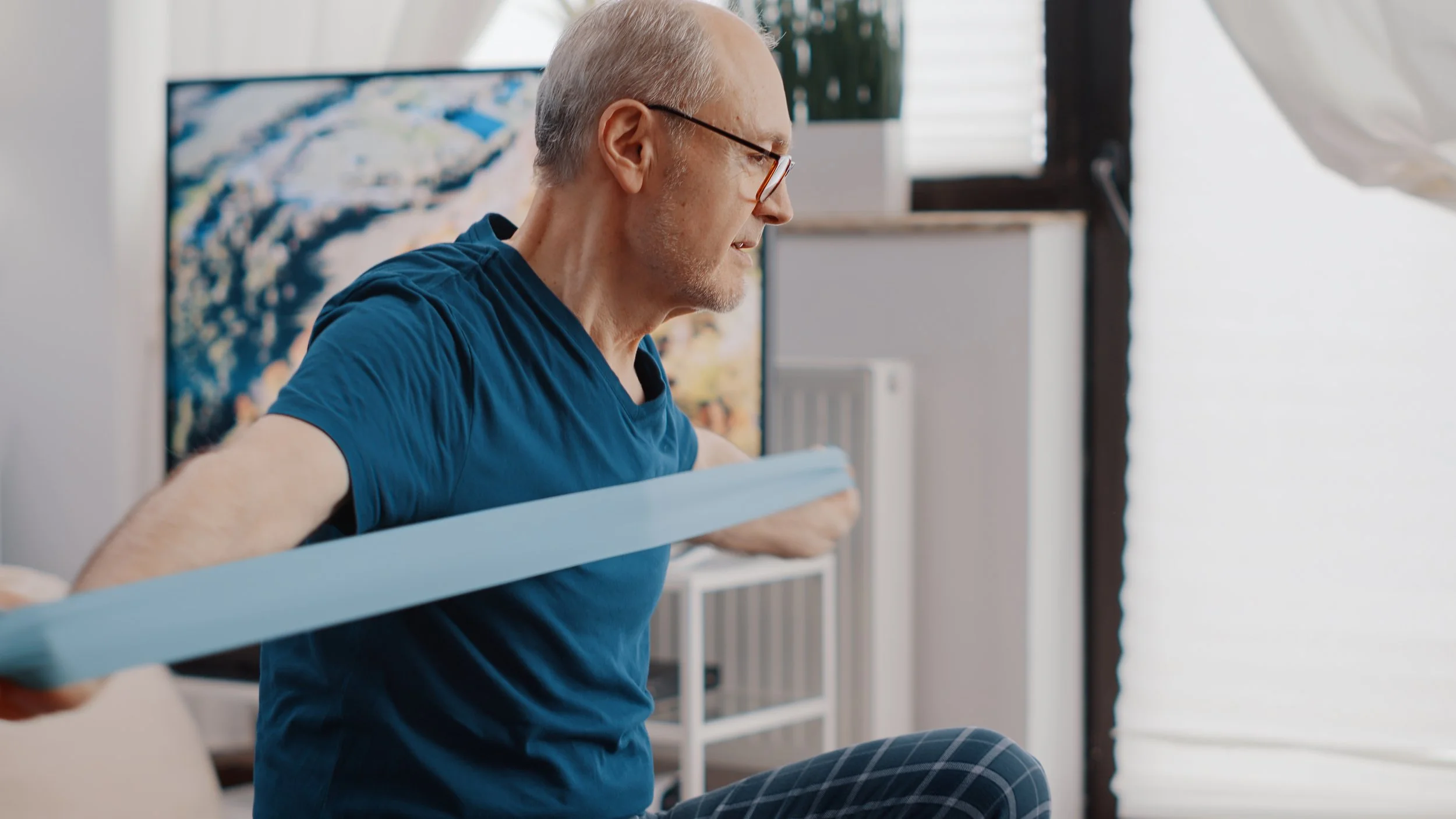
The movements you don't think about until they become difficult
Think about a normal morning.
You wake up, roll over, sit on the edge of the bed and stand up. You walk to the bathroom, sit down, stand again, then perhaps get into the kitchen and sit at the table.
None of those movements are particularly exciting.
After a stroke, though, any one of them can become the part that holds you back.
A transfer simply means moving from one position or surface to another. That could be:
Lying down to sitting on the bed
Bed to wheelchair
Wheelchair to toilet
Sitting to standing
Wheelchair to car seat
Floor to standing
You may do dozens of transfers without really thinking about them.
When they're no longer easy, your whole routine changes.
Standing up isn't just about having strong legs
This is where rehabilitation can get more specific.
Someone may have reasonable leg strength but still struggle to stand from a chair. The issue might be where their feet are placed, how they shift their weight, how much they rely on one side, or what happens to their balance once they leave the chair.
Try thinking about standing up in slow motion.
Your feet need to be in a useful position. Your body has to move forward far enough to get your weight over your feet. Then your hips and knees extend as you come upright.
Miss one part of that sequence and the movement can feel completely different.
That's why sit to stand exercises aren't simply about doing as many repetitions as possible.
The exercise can be adjusted around what you're struggling with.
Maybe the chair needs to be higher at first. Maybe you need to practise bringing your weight forward. Maybe the stronger leg is doing nearly all the work and the affected side needs more opportunity to contribute.
Those details are where rehabilitation becomes useful.
The goal isn't to make the carer do less at all costs
There are times when physical assistance is the safest option.
That's not failure.
But if a family member or support worker is doing nearly all of a transfer, there may be an opportunity to work out how much of the movement you can safely take back.
It might start with someone helping you shift forward.
Later, they might only provide a hand for balance.
Eventually, depending on your recovery, the goal could be supervision rather than lifting.
This is one reason NDIS mobility training Springwood can be so practical. The aim is to build capacity around a person's real activities, not just improve a number on a strength test.
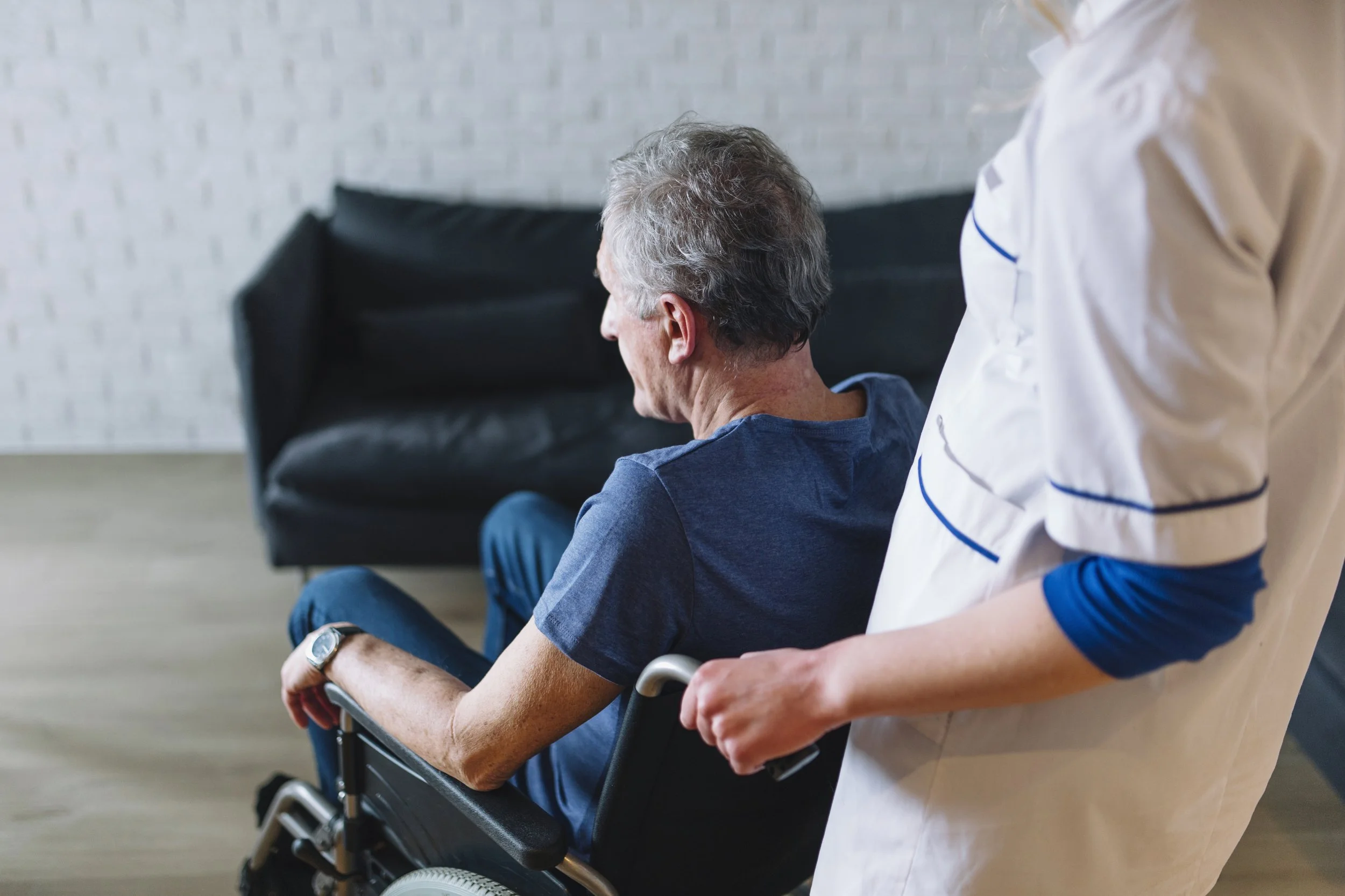
Wheelchair transfers need a good setup
Wheelchair transfers can look very different from one person to another.
Someone might transfer well to the left but struggle going to the right. Another person may need the wheelchair positioned at a particular angle. A small difference in seat height can change how much effort is required.
During wheelchair transfer physio Underwood, a physiotherapist may look at:
Where the wheelchair sits
Whether the brakes are secure
Footrest and foot placement
Seat height
Trunk control
Leg strength
Balance
Which direction you transfer
How much physical assistance you currently need
It's not about finding one "perfect" transfer.
It's about finding a method that works for your body, your wheelchair and the environment you're actually using.
A car transfer is a different problem again
Getting into a car can expose problems that aren't obvious in the clinic.
The seat is low. There's limited room for your legs. You have to turn your body while controlling your weight. Then there's the issue of getting the affected leg into the vehicle.
A person may be able to stand independently but still need help getting into a car.
That's not unusual.
A physiotherapist can break the movement down and work out which part needs attention. Sometimes it's leg control. Sometimes it's the turning movement. Sometimes the problem is simply the setup.
Why home-based rehabilitation can make sense
A treatment plinth doesn't look much like your lounge room.
That's why a movement that works nicely in a clinic doesn't always transfer to home.
At home, the couch might be much lower. There may be a narrow gap beside the bed. Your wheelchair might only have enough room to approach from one direction.
These things affect movement.
At Pursuit Physiotherapy, mobility training can be provided at the Springwood clinic or, where appropriate, in a participant's home or SIL environment.
That means rehabilitation can be based around the furniture and spaces you actually use.
If getting off the couch is the problem, practising on a generic therapy bench won't tell the whole story.
Stroke rehab should fit around the person
There isn't one stroke recovery program that suits everyone.
The effects of a stroke can vary enormously. So can someone's home, support network, confidence and goals.
A stroke rehab program may include work on:
Leg strength: Building the capacity needed for standing, stepping and transfers.
Balance: Practising weight shifts and standing without immediately losing control.
Trunk control: Improving how you use your body when reaching, turning and changing position.
Coordination: Helping the affected side contribute rather than letting the stronger side take over every movement.
Fatigue management: Adjusting the amount of work when fatigue starts affecting movement quality.
That last point gets missed quite often.
A movement can look fine during the first few repetitions and fall apart when you're tired. That's useful information, not a reason to simply push harder.
Repetition matters, but so does what you're repeating
Stroke rehabilitation involves plenty of repetition.
That's because the nervous system needs repeated practice to become more efficient at a movement.
But repeating a poor movement 50 times isn't necessarily better than practising a useful movement 10 times with good control.
The exercise needs to be challenging enough to create an adaptation without becoming so difficult that you're relying entirely on the unaffected side or losing your balance.
That's something a physiotherapist can keep adjusting as you improve.
What does this mean for NDIS participants?
For someone looking for an NDIS physio provider in Brisbane, the useful question isn't simply, "What exercises do you offer?"
Ask what the therapy is helping you do.
For one person, the goal may be getting out of bed independently.
For another, it might be transferring into a car so they can attend appointments without a full physical lift.
Someone else may want to stand long enough to prepare a meal.
Those goals can shape the therapy.
At Pursuit Physiotherapy, rehabilitation can be built around functional goals such as:
Safer transfers
Easier sit-to-stand movements
Better wheelchair mobility
Getting in and out of a car
Moving around the home
Reducing reliance on physical assistance
Improving confidence with everyday movement
When it's worth getting another assessment
You don't need to wait until you've had a fall or major setback.
An assessment may be useful if you have noticed that:
Transfers are taking longer
You're relying more on carers
Standing from low chairs has become harder
Getting into the car is becoming difficult
You're avoiding parts of the house because movement feels unsafe
Your current exercises don't seem connected to your daily needs
A support worker is regularly doing most of the physical work
Stroke recovery doesn't finish just because you've left hospital.
Your needs can change months or even years later.
At Pursuit Physiotherapy, stroke recovery physio across Springwood, Brisbane and the surrounding area focuses on making rehabilitation useful outside the treatment room.
That might mean practising a wheelchair transfer at home, working on standing from the couch, or building enough control to take a little more of a car transfer yourself.
The target isn't a perfect movement.
It's more independence in the movements that make up your actual day.
If you're looking for stroke recovery physio in Springwood and want an assessment based around your mobility and NDIS goals, contact Pursuit Physiotherapy to discuss the next step.