
How to Recover from Deadlift Back Pain: Why Rest Isn't Always the Answer
You finish your last set, strip the plates off the bar and everything feels fine.
A couple of hours later, your lower back starts tightening up. The next morning it's stiff enough that putting your socks on becomes a task. You immediately start replaying yesterday's session in your head.
"Was it that last rep?"
"Did I round my back?"
"Have I finally done some real damage?"
It's a familiar conversation in our clinic.
Most people who come in with lower back pain from deadlifting are convinced one bad lift caused the problem. Sometimes that's true. More often, though, the back has been quietly working overtime for weeks before it finally lets you know it's had enough.
That changes how you recover.sport
If the ache is being driven by the way you're training rather than a major injury, taking six weeks off isn't usually the answer. In many cases, it's about working out why your back became the hardest-working muscle in the lift and giving the rest of your body a chance to do its share again.
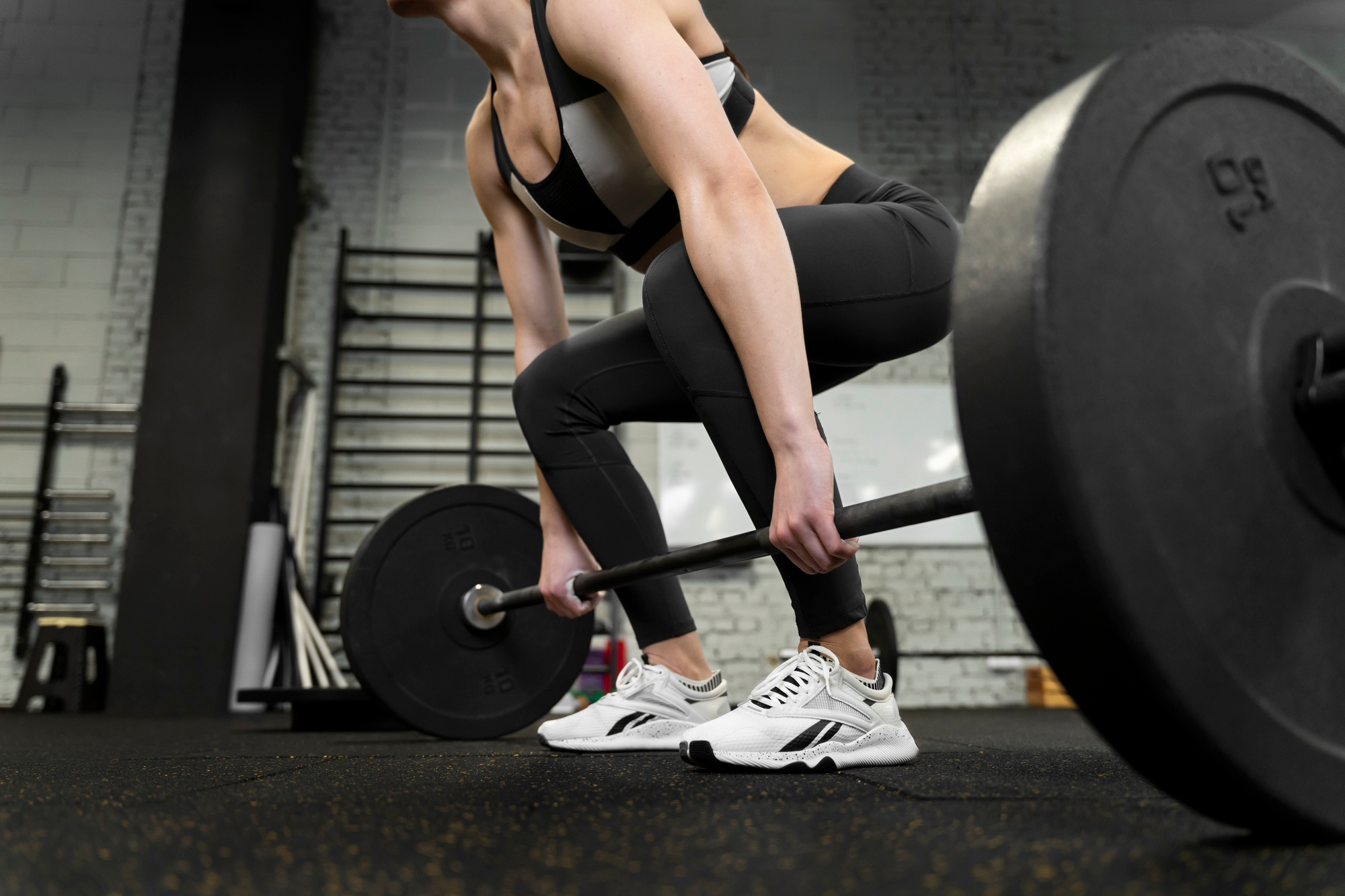
Your lower back isn't supposed to do all the work
A deadlift should feel like a full-body lift.
Your feet drive into the floor. Your legs generate force. Your hips extend. Your trunk stays solid while the bar travels close to your body.
The lower back is involved, but it isn't supposed to be carrying the whole load.
That's where people often get caught out.
The body is incredibly good at finding a way to finish a lift. If your glutes are tiring, your lower back will help. If your brace fades halfway through a set, your lower back will stiffen to keep your spine stable. If your hips stop contributing as much as they should, something else has to pick up the slack.
Usually, that's the back.
For a while, it copes.
Then one day it doesn't.
Think about carrying groceries
Imagine you're carrying four heavy grocery bags from the car.
Normally, you'd spread the weight between both hands.
Now imagine one arm gets tired, so you move everything into the other hand.
You can still get inside the house, but that one arm is going to feel it afterwards.
Deadlifts work in a similar way.
When the work is shared across your hips, legs, trunk and back, the load feels manageable. When one area starts compensating for another, the lift still gets finished, but something ends up doing far more than it was designed to.
That's often why back pain after lifting weights doesn't appear during the lift itself. It shows up later, once the tissues have had time to settle down and react to everything you asked them to do.
The problem usually starts before the pain does
One thing we've noticed over the years is that very few people wake up one day with back pain completely out of the blue.
There are usually little clues beforehand.
Maybe your warm-up sets have started feeling heavier than usual.
You catch yourself stretching your back between sets more often.
Your deadlifts haven't felt "snappy" for a couple of weeks, but you've put it down to being tired after work.
None of those things automatically mean you're injured.
They're often signs that your recovery isn't keeping pace with your training.
That's an important difference.
Pain isn't always your body's first warning. Sometimes it's the last one.
Have a look at your brace before blaming the deadlift
Ask five lifters what bracing means and you'll probably get five different answers.
Some people suck their stomach in.
Others push their belly out as hard as they can.
Some simply hold their breath and hope for the best.
A good brace isn't about making your stomach as hard as possible.
It's about creating pressure through your trunk before the bar leaves the floor, then keeping that pressure as the weight moves.
Think of your torso like a drink can.
When the can is full and sealed, it's surprisingly difficult to crush.
Open it, and it buckles with very little effort.
Your trunk works in much the same way. When your diaphragm, abdominal muscles and back muscles work together, they create a stable cylinder that protects your spine while force travels through your body.
Lose that pressure halfway through a heavy pull and your lower back suddenly has a much bigger job to do.
Fatigue changes your technique without asking permission
Here's something worth paying attention to the next time you deadlift.
Film your first working set.
Then film your last.
Most people are surprised by how different they look.
The bar drifts a little further away from the shins.
The hips rise earlier.
Lockout becomes slower.
You might not notice any of it while you're lifting because the changes happen gradually.
Your body doesn't suddenly forget how to deadlift. It simply starts making small compromises as fatigue builds.
One or two compromised reps aren't necessarily a problem.
Stack enough of them together over several weeks and the lower back starts absorbing more work than it should.
Good rehab doesn't always mean stopping
This is probably the biggest misconception around lifting injuries.
As soon as someone's back flares up, they assume they need to stop deadlifting completely until the pain disappears.
Sometimes that's necessary, particularly if the pain is severe or you're dealing with symptoms that need proper medical assessment.
Most of the time, though, complete rest creates another problem.
Your body becomes less tolerant of loading.
Then, when you finally go back to the gym, you're asking tissues that haven't been challenged for weeks to suddenly tolerate the same weights again.
It's no surprise they complain.
That's why rehab often involves modifying training rather than abandoning it.
For one person, that might mean reducing the weight.
For someone else, it could be shortening the range of motion, swapping conventional deadlifts for trap bar deadlifts, or trimming a couple of working sets while the back settles.
You're still training.
You're still giving your body a reason to stay strong.
You're simply matching the workload to what it can recover from.
Getting back to heavy lifting isn't about waiting for zero pain
A lot of lifters use pain as the finish line.
Once the back feels normal again, they load the bar with the same weight they were lifting before everything flared up.
It's understandable, but it doesn't always work.
Pain settling down doesn't automatically mean your body is ready for the same training volume or intensity. If your bracing hasn't improved, your recovery habits are still average, or you're carrying the same fatigue that caused the problem in the first place, you're likely to end up back where you started.
A better question to ask is:
"Can I move well under load again?"
That's usually a more useful measure of progress than whether your back feels completely pain-free.
Small changes can keep you training
One of the biggest myths in strength training is that every injury means weeks away from the gym.
It doesn't.
In clinic, we spend a lot of time helping people find ways to keep training while their symptoms settle. The goal is to reduce stress on the irritated area without taking away the movements that are helping you stay strong.
That might look like:
Reducing the weight for a couple of weeks
Performing fewer working sets
Using tempo reps to improve control
Pulling from blocks if the bottom position is the aggravating part
Swapping one lift for another that feels more comfortable
Those adjustments aren't a step backwards.
They're simply a way of keeping your training moving while giving irritated tissues a chance to settle.
Don't ignore what happens outside the gym
It's easy to focus on technique because that's what you can see.
Recovery is a bit different.
The body doesn't care whether your fatigue comes from deadlifts, poor sleep, long workdays or chasing kids around after training. It all counts.
We've seen plenty of lifters with excellent technique who still develop back pain after lifting weights because recovery couldn't keep up with the amount of work they were doing.
If your lower back keeps getting sore, it's worth asking yourself a few simple questions.
Have you increased your training volume recently?
Are you recovering between sessions?
Are you sleeping enough to actually adapt to training?
Has life outside the gym become more stressful than usual?
Sometimes the answer isn't another mobility drill. Sometimes it's giving your body a better chance to recover.
When is it time to get your back checked?
A bit of stiffness after a heavy session isn't unusual.
Pain that keeps coming back is different.
If you're changing the way you lift because you don't trust your back anymore, or every deadlift session leaves you wondering whether you've made things worse, it's worth getting an assessment.
The aim isn't to find something that's "out of place."
It's to understand why your back keeps becoming the limiting factor.
A good assessment looks at much more than the sore area. We'll usually look at your lifting technique, how you're bracing, how your hips and trunk are working together, and whether your training load matches what your body can currently tolerate.
Often, the issue isn't one big mistake. It's a handful of smaller things that have gradually added up.
What sports physiotherapy can do for lifters
One of the biggest misconceptions about physiotherapy is that you'll be told to stop lifting.
That isn't how we approach it.
At Pursuit Physiotherapy, our sports physiotherapy in Springwood focuses on helping people get back to the activities they enjoy, not taking them away.
For lifters, that usually means working out why the symptoms started in the first place, making practical changes to technique or programming, and building the confidence to load the bar again without constantly worrying about the next flare-up.
Whether you're training for general strength, powerlifting or simply enjoy being in the gym, rehab should fit around your goals.
Not replace them.
The goal isn't to avoid deadlifts forever
Deadlifts aren't something you should fear because your back became sore once.
In fact, for many people, getting back to deadlifting is part of the recovery process.
The key is understanding why the pain started, making the right adjustments, and giving your body time to adapt instead of expecting it to bounce back overnight.
If you're trying to work out how to recover from deadlift back pain, remember that the answer is rarely found in complete rest or endless stretching. It's usually a combination of better load management, solid bracing, sensible progression and keeping your body moving.
If your back keeps flaring up after heavy lifts, or you're no longer confident under the bar, the team at Pursuit Physiotherapy can help. Our experienced weightlifting physio Springwood team works with recreational lifters, strength athletes and active adults to identify what's driving the problem, guide your rehab, and help you return to lifting with confidence rather than hesitation.
Because the goal isn't simply getting rid of pain.
It's making sure your back isn't the reason you stop doing what you enjoy.