
Sports Massage in Springwood: More Than a Rubdown for Tight Muscles
Most people think of sports massage as something you book when your muscles are already wrecked.
You finish a hard training block, everything feels tight, your legs feel heavy, your shoulders won’t move properly, so you book a massage hoping someone can “fix” it.
But good sports massage is not just about making sore muscles feel better for a few hours.
For athletes, gym-goers, and anyone training consistently, it’s about managing the small changes that happen when your body is under load. Repeated lifting, running, sport, and intense workouts create areas of tension that can slowly change how you move.
That’s where sports massage in Springwood can play a role.
It’s not about chasing pain. It’s about keeping your body moving well enough that you can keep training.
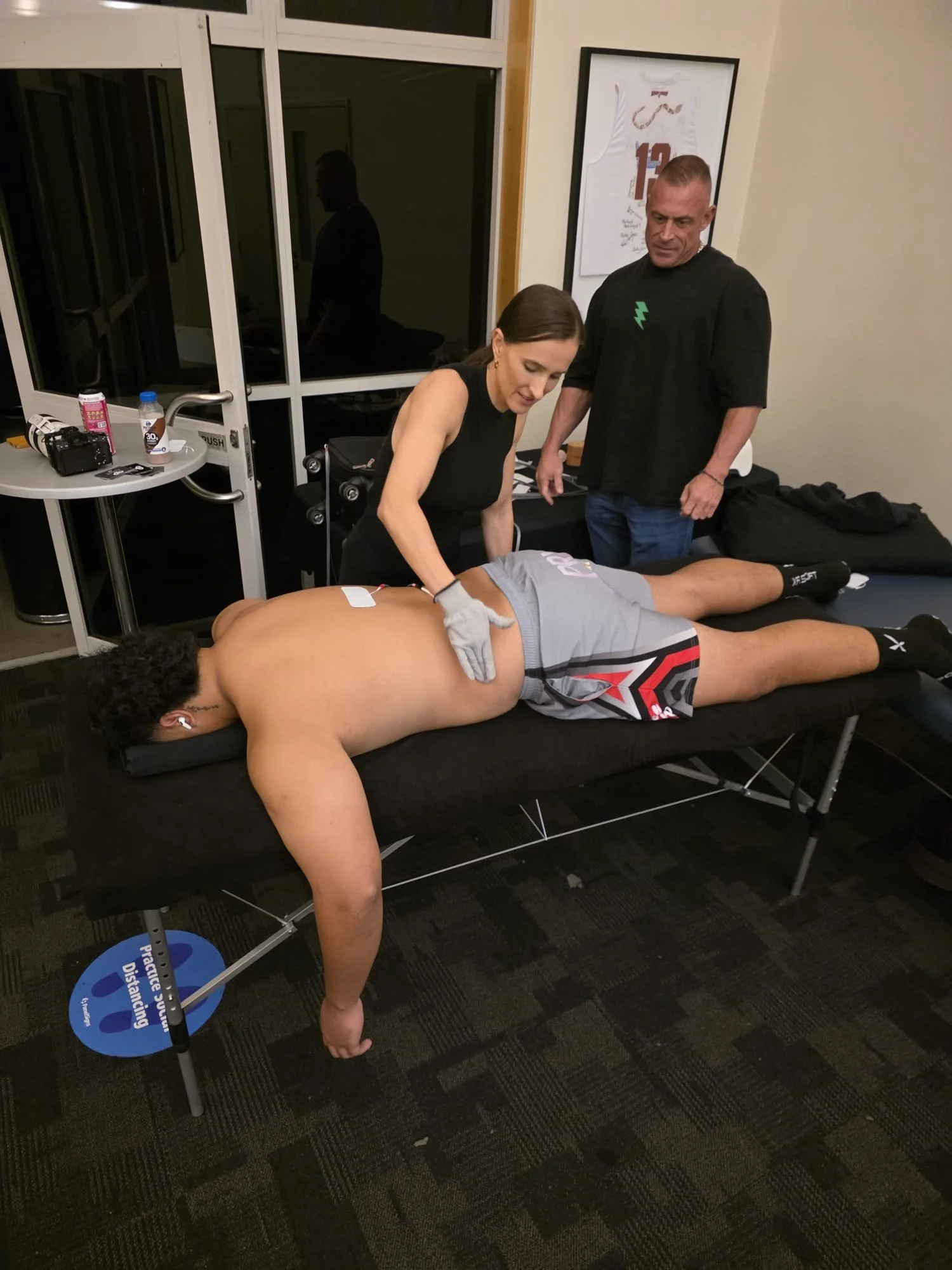
What actually happens to your muscles when you train hard?
Your body is designed to adapt.
You lift weights. You run. You push through challenging sessions. Your muscles respond by becoming stronger and more capable.
But adaptation comes with a cost.
During heavy training periods, it’s common to develop:
Tight muscles that never fully relax
Reduced joint movement
Stiffness around common lifting positions
Areas that feel “stuck” or restricted
Compensations where other muscles take over
This doesn’t always feel like an injury.
Sometimes it’s just that your movement quality starts slipping.
Maybe your squat depth changes. Your shoulders don’t sit as comfortably overhead. Your hips feel tight during deadlifts.
Small changes like these are often your body telling you something needs attention.
Sports massage is about movement, not just relaxation
A relaxing massage and a sports massage have very different goals.
A relaxation massage is usually about reducing general tension and helping you switch off.
Sports massage is more targeted.
A practitioner is looking at:
Which areas are restricting movement
Which muscles are carrying too much load
How your training is affecting your body
Whether tight tissue is changing your technique
This is where clinical soft tissue therapy becomes useful.
The goal isn’t simply to press hard and “break up knots.”
The body is more complicated than that.
Muscles, fascia (the connective tissue surrounding muscles), and joints all work together. When one area becomes restricted, it can affect how another area moves.
For example:
A tight hip may change your squat position.
A stiff upper back may affect your shoulder movement.
Restricted ankle movement may alter how you load your knees.
Sometimes the area that feels sore isn’t the area causing the problem.
How sports massage helps with restricted movement patterns
When you train regularly, your muscles don’t always return to their baseline state straight away.
You might feel fine walking around, but under load, the restriction shows up.
That’s when things like:
Reduced range of motion
Poor lifting positions
Early fatigue
Increased stiffness
start appearing.
Sports massage works by targeting areas that aren’t moving freely.
Through techniques such as:
Deep tissue work
Targeted pressure
Myofascial techniques
Muscle release techniques
The aim is to improve how tissues move and interact.
Think of it like maintaining your equipment.
You wouldn’t ignore a squeaky bike chain and wait until it breaks. Your body is similar. Small restrictions can become bigger problems when you repeatedly load them.
Why your muscles feel worse after tough training blocks
That heavy, stiff feeling after training is something most active people know well.
You wake up the next day and everything feels tight.
That’s often delayed onset muscle soreness (DOMS), which happens after challenging exercise, especially when your body is exposed to a new or higher workload.
Common signs include:
Muscle tenderness
Reduced movement
Stiffness getting out of bed
Feeling weaker temporarily
Sports massage can help manage this by improving circulation and reducing the feeling of heaviness that comes with post-workout soreness.
The pressure from soft tissue techniques can increase local blood flow and help calm down areas that are feeling overloaded.
It doesn’t magically remove all soreness. Recovery still comes down to sleep, nutrition, training load, and time.
But it can help your body feel ready to move again.
The difference between soreness and a problem
This is where people often get confused.
Feeling sore after training is normal.
Pain that changes how you move is different.
A few signs that something may need attention:
Your technique changes because of discomfort
One side feels significantly tighter than the other
Your mobility keeps getting worse
The same area keeps flaring up
You’re constantly “working around” something
This is where combining sports massage in Springwood with proper assessment can be useful.
The goal isn’t just to treat what feels tight.
It’s figuring out why it keeps becoming tight.
Sports massage is not only for when you’re injured
A common mistake is waiting until something goes wrong.
By the time a problem becomes obvious, your body has usually been compensating for a while.
A more proactive approach is using sports massage as part of your training routine.
Regular soft tissue management can help identify:
Areas holding excessive tension
Mobility restrictions developing over time
Muscles that are struggling with your workload
Patterns that may affect lifting or sporting performance
This is where the idea of enhancing training longevity comes in.
The goal is not to train harder every week forever without issues.
The goal is to keep training consistently without your body constantly fighting against you.
How sports massage fits into athlete recovery
Everyone’s recovery needs are different.
A competitive athlete training multiple days per week may use massage differently from someone lifting three times a week.
Your approach might include:
During heavy training phases
Sports massage can help manage accumulating stiffness and keep movement quality high.
After intense sessions
It can help reduce the feeling of tightness and support recovery.
Before returning from injury
It may be used alongside rehabilitation to restore comfortable movement.
During maintenance phases
It can help catch small restrictions before they become bigger interruptions.
Good recovery is rarely about one thing.
It’s usually a combination of smart training, strength work, mobility, and managing the small issues before they grow.
Sports massage vs regular massage: what’s the difference?
Although both involve hands-on treatment, they aren't trying to achieve the same outcome.
A regular massage is usually centred on relaxation. It helps reduce general muscle tension, ease stress, and leave you feeling more refreshed.
Sports massage takes a different approach. It's more targeted, focusing on muscles and soft tissues that may be affecting how you move, train, or recover. Rather than simply treating what's sore, it looks at the physical demands you're placing on your body and addresses specific areas of restriction.
For many active people, sports massage becomes part of an ongoing training strategy rather than something they book only when they're uncomfortable. The aim is to help maintain movement quality, manage training load, and reduce the impact of recurring tightness before it starts affecting performance.
Neither option is better than the other. The right choice depends on your goals. If you're training regularly and want to keep moving well, a sports massage offers a more performance and movement-focused approach.
When should you consider sports massage in Springwood?
It may be worth looking into if you’re dealing with:
Constant muscle tightness
Reduced mobility
Post-workout muscle soreness that lingers
Stiffness affecting your training
Recurring areas of tension
Feeling like your body is not moving the way it used to
It’s especially useful for people who don’t want to wait until pain forces them to stop training.
Your body gives warning signs before it completely breaks down.
The trick is paying attention early.
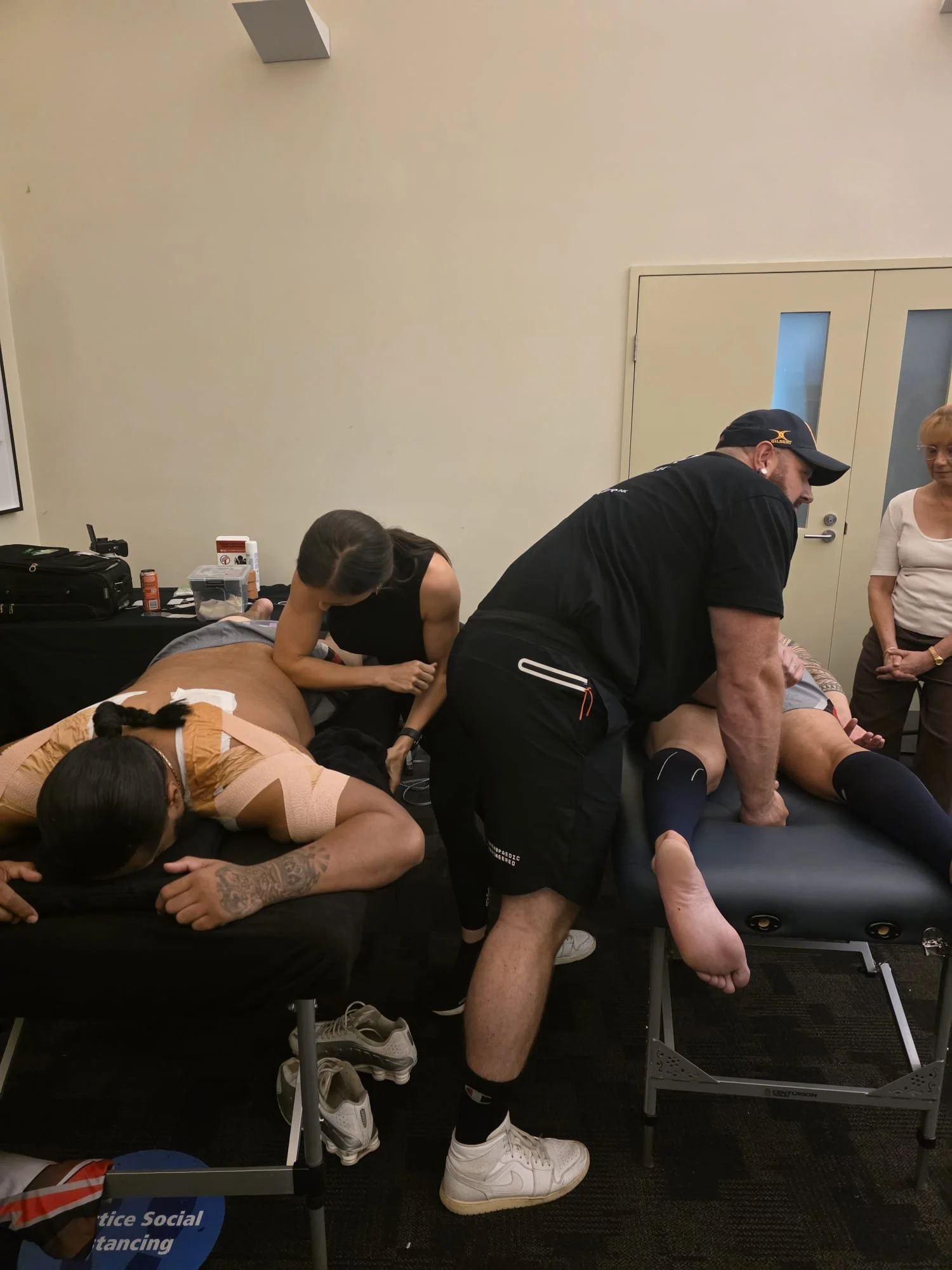
Keep training without constantly fighting your body
Training hard is not the problem.
The issue is when your recovery can’t keep up with the demands you’re placing on yourself.
At Pursuit Physiotherapy, we use sports massage and clinical soft tissue therapy to help active people in Springwood, Underwood, and the surrounding Brisbane and Logan areas manage stiffness, improve movement, and stay consistent with their training.
If tightness, soreness, or restricted movement is starting to affect how you train, book an assessment with Pursuit Physiotherapy and find out what’s actually limiting your movement.