
The Recovery Reset: How Dry Needling Therapy in Springwood Helps With Training Stiffness and Muscle Tension
There’s a common pattern we see with active people.
They’re training consistently. They’re doing most things right. But there’s always that one area that keeps playing up.
A shoulder that never feels quite right after pressing. A tight calf that returns every few runs. A hip that feels restricted every time you get under a bar.
Usually, the first thing people try is stretching more.
Then maybe massage.
Then they wait and hope it settles.
Sometimes it does.
But if the same issue keeps returning, the problem usually isn’t just that the muscle is “tight”. Something else is keeping that area working harder than it should.
That’s where dry needling therapy in Springwood can help.
It’s a targeted treatment approach that can be used alongside exercise rehab to help settle overactive muscles, improve movement, and get you back to doing what you enjoy.
Why muscles sometimes stay tight after training
Training creates stress on the body.
That’s a good thing.
Your muscles get stronger because they are challenged.
The issue is when the amount of stress starts outweighing your ability to recover.
This is common when someone:
Increases training volume quickly
Adds more intensity without enough recovery
Keeps training through small niggles
Returns after an injury
Repeats the same movement patterns for months
The body is pretty good at adapting, but it also has a protective side.
If an area feels threatened, your nervous system can increase muscle tension to protect it.
That’s why some people feel like they are constantly “holding tension” even when they stretch every day.
What actually happens during dry needling?
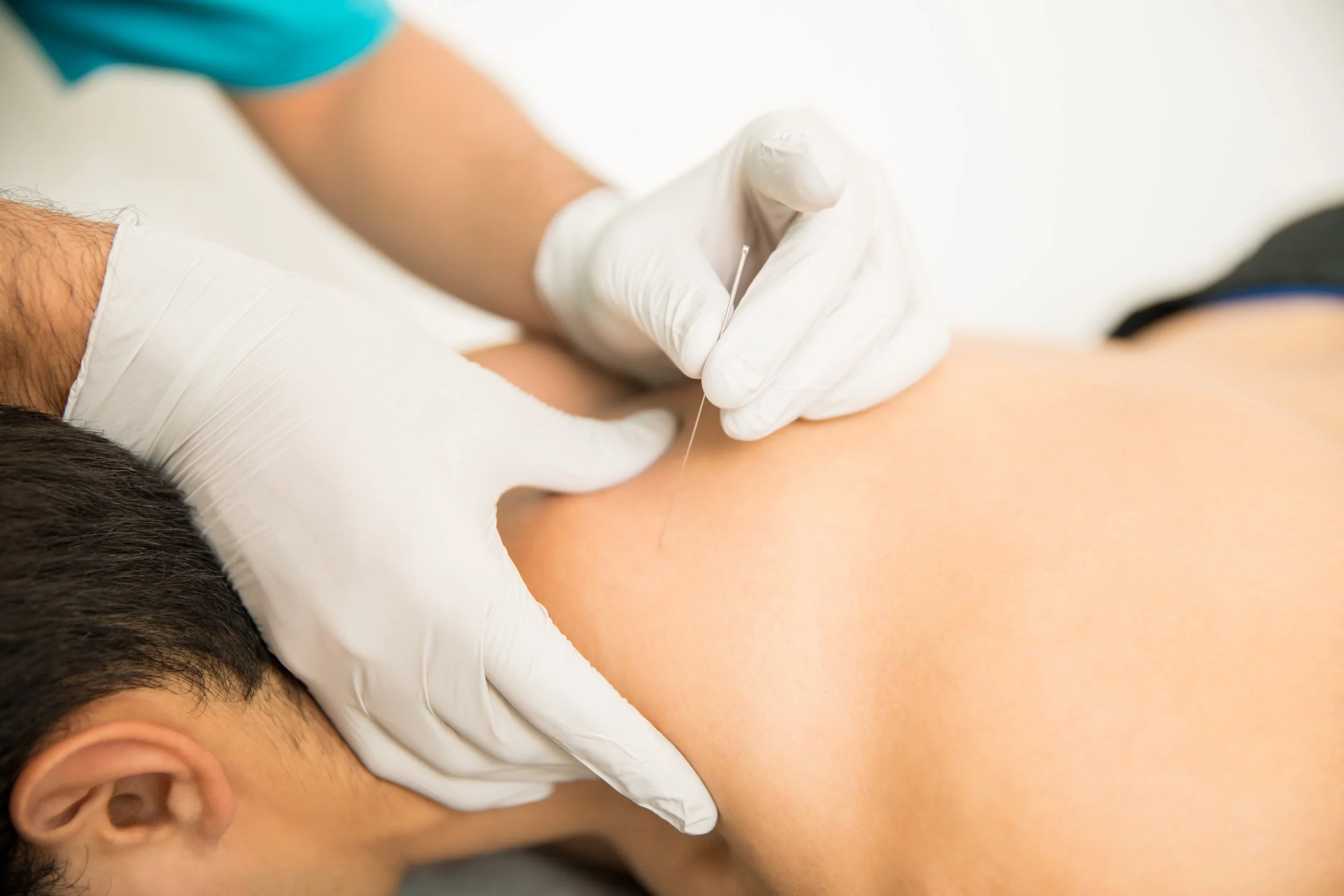
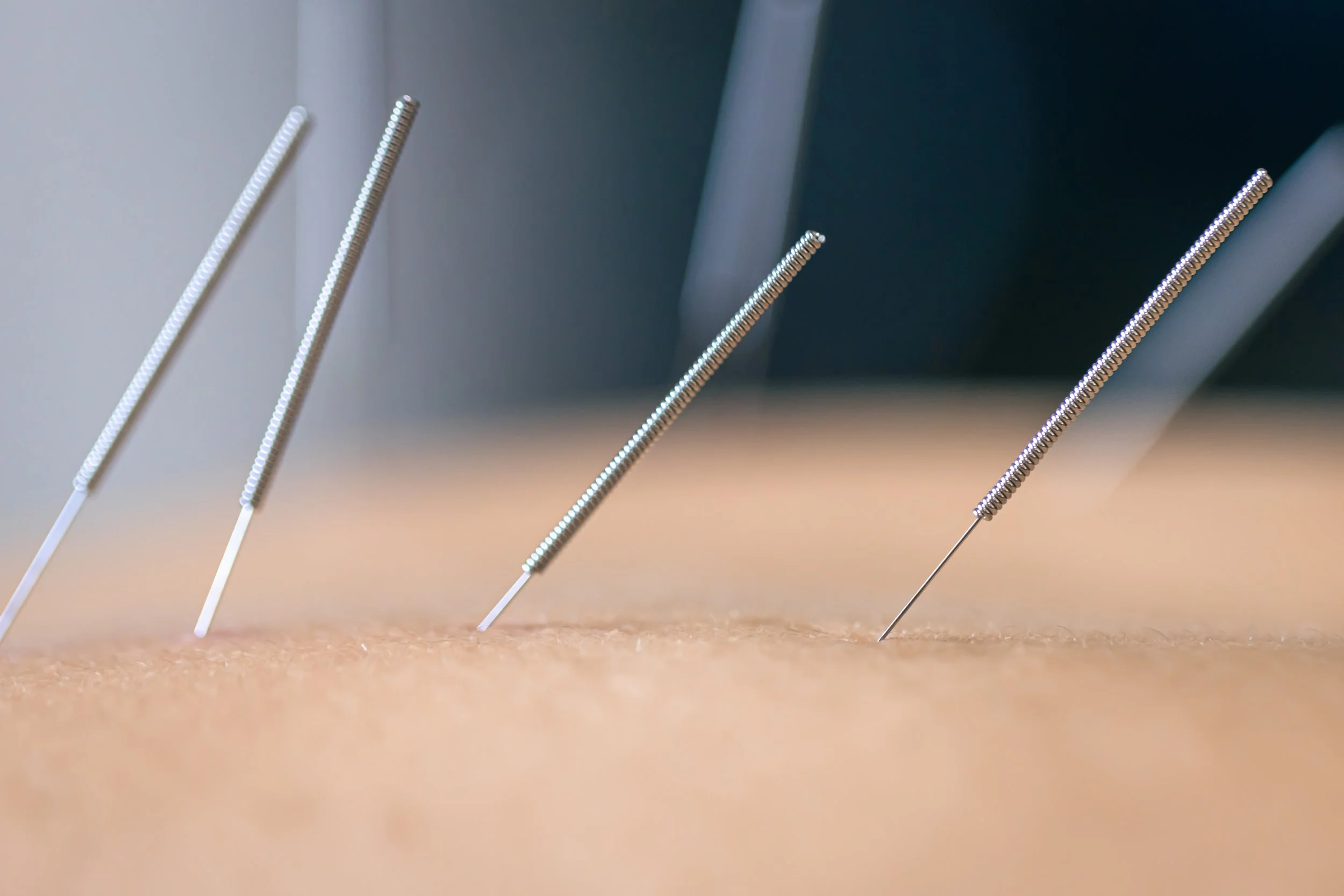
Dry needling involves placing a very fine needle into specific areas of muscle tissue.
The needle itself is not the magic part.
The important part is knowing where to place it and why.
A physiotherapist is looking for areas that may be contributing to your symptoms. These could be muscles that are staying switched on, areas that are sensitive, or tissues that are affecting how you move.
For example:
Someone with ongoing shoulder pain may not simply have a “tight shoulder”.
They may have:
Overactive upper traps
Poor shoulder blade control
Reduced movement through the upper back
Weakness around the shoulder
Dry needling may help calm down the muscle, but the bigger picture is figuring out why that muscle became overloaded in the first place.
Dry needling vs massage: why they feel different
People often ask this.
“Isn’t it just like a massage?”
Not really.
Massage can be great when you feel generally sore or tight after training. It can help you relax and reduce that heavy, tired feeling in your muscles.
Dry needling is more specific.
It is usually used when there is a particular area that:
Keeps becoming painful
Feels restricted
Affects movement
Doesn’t respond well to stretching or rest
Think of it less as a full-body recovery treatment and more like a precise tool used for a specific problem.
Where clinical western acupuncture comes into the picture
You may also hear the term clinical western acupuncture used in physiotherapy clinics.
The technique uses fine needles, but the approach is based around modern understanding of anatomy, pain, and the nervous system.
Pain is not only about the tissue.
Your nervous system also plays a role in how sensitive an area becomes.
This is why two people can have the same injury but completely different experiences.
One person improves quickly.
Another feels stuck for months.
Clinical western acupuncture can be used as part of a broader treatment plan to help reduce sensitivity, settle muscle tension, and support recovery.
Why athletes use dry needling during busy training periods
Most athletes and gym-goers are not trying to avoid training.
They’re trying to keep training.
That changes the goal.
The question is not always:
“How do we stop this movement?”
Often, it’s:
“How do we help you keep doing this movement without constantly irritating the same area?”
This is where pain management for athletes needs to be practical.
A runner with calf tightness may need changes to training load.
A lifter with shoulder irritation may need better movement control.
A field athlete with recurring hamstring issues may need more than just treatment.
Dry needling can be one piece of the puzzle.
Can it help with reducing training stiffness?
Yes, but it depends on why you’re stiff.
There is normal training soreness.
Then there is the kind of stiffness where your body feels like it is fighting against you.
For example:
You need 30 minutes to warm up every session
One side always feels tighter
Your range of motion keeps disappearing
A certain movement feels worse every week
That is when it’s worth looking closer.
The solution is not always “stretch more”.
Sometimes the body needs a combination of:
Hands-on treatment
Strength work
Better movement patterns
Smarter programming
That’s where maximising muscle recovery becomes less about adding more recovery gadgets and more about understanding what your body actually needs.
Dry needling is not a replacement for rehab
This is probably the biggest thing to understand.
A treatment can make you feel better.
But feeling better and being stronger are not always the same thing.
If a muscle keeps becoming irritated, there is usually a reason.
Maybe you need more capacity.
Maybe your technique needs adjusting.
Maybe another area is not doing enough work.
This is why dry needling is often combined with:
Exercise rehabilitation
Strength training
Mobility work
Movement retraining
The goal is not to keep chasing the sore spot.
The goal is to change the reason it keeps coming back.
Is dry needling painful?
Most people are surprised.
The needles are very fine, and many people barely feel the insertion.
You may notice:
A small twitch
A brief ache
A strange sensation through the muscle
Everyone responds differently.
A good physiotherapist will adjust the treatment depending on what you are comfortable with and what your body is showing.
Who may benefit from dry needling therapy?
Dry needling therapy in Springwood may be useful for people dealing with:
Gym-related stiffness
Sports injuries
Persistent muscle tension
Reduced mobility
Recurring aches
Training-related soreness that keeps returning
It is commonly used as part of a bigger rehabilitation plan, especially for people who want to stay active.
Keep training. Just make your body work with you.
You don’t always need to stop doing the things you enjoy.
Sometimes the better approach is understanding why your body is struggling and making the right changes.
At Pursuit Physiotherapy, we work with active people across Springwood, Underwood, and Brisbane Southside to manage injuries, improve movement, and build stronger, more resilient bodies.
If you’re considering dry needling therapy in Springwood, book an assessment with our team. We can help identify what’s driving your symptoms and create a treatment plan that supports your training goals.